Blog
Crocs vs Canvas Sneakers for US Healthcare and Hospitality Workers in 2026: Which Lasts Longer Per Dollar?

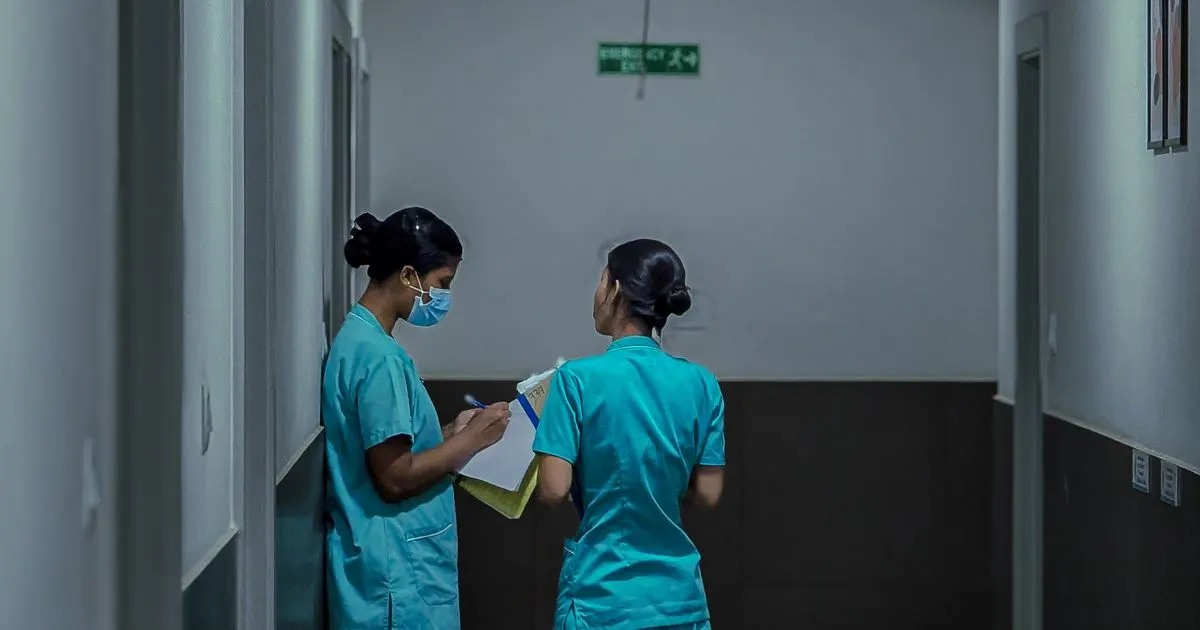
For US healthcare and hospitality workers pulling 10–12 hour shifts in 2026, Crocs typically win on cost-per-wear. The Bistro and On The Clock models last 8–18 months under heavy use, while canvas sneakers degrade faster from repeated washing and spills.
If you're on your feet for a 12-hour shift, your shoes are a recurring cost, not a one-time buy — and the cheaper sticker price often loses once spills, washes, and replacements pile up. The question isn't which shoe costs less today; it's which one costs less per shift over a year of abuse. Here's how Crocs and canvas sneakers actually compare on that math.
The verdict
For US healthcare workers (nurses, aides, ER staff, lab techs) and hospitality workers (line cooks, servers, baristas, hotel housekeeping) pulling 10–12 hour shifts in 2026, Crocs typically win on cost-per-wear against canvas sneakers. A pair of Crocs Bistro or On The Clock at $50–$65 worn daily for 8–18 months works out to roughly $0.10–$0.27 per shift. Canvas sneakers at $25–$45 last 4–9 months under the same conditions because the fabric upper, foam midsole, and glued sole degrade quickly under repeated washing, bleach exposure, and spilled fluids — landing closer to $0.18–$0.45 per shift. The Crocs advantage is largest for workers whose shoes get wet, dirty, or contaminated daily. Canvas still wins for low-soil retail or front-of-house work where shoes stay dry and visual styling matters more than wash durability.
💡 Shop Crocs Bistro, Classic Clog, and On The Clock through ShopBack — earn cashback on every pair Takes 2 minutes to sign up. No promo codes needed.
Why the cost-per-shift math favours Crocs
The math comes down to three variables: upfront price, lifespan under wash cycles, and shift-specific failure modes.
A canvas sneaker fails in a predictable sequence. The fabric upper absorbs sweat, blood, food, and cleaning chemicals. To stay sanitary in a clinical or kitchen setting, workers wash them weekly, often hot. The foam midsole compresses about 30–50% of original height in 4–6 months under daily heavy use, and the toe-box adhesive begins to peel after 15–25 wash cycles. By month 6–9, the shoe still looks intact from above but provides little real cushioning and often has a separated sole — the kind of failure that ends with a slip at 3 a.m. on a wet hospital corridor.
Crocs fail differently. The Croslite closed-cell foam does not absorb fluids, so there is nothing to wash out. Cleaning is a 30-second wipe-down or rinse, not a wash cycle. The structural failure point is footbed compression: the foam slowly loses cushioning rebound after roughly 1,500–3,000 hours of weight-bearing wear. For a 5-shift-per-week worker, that translates to 8–14 months before cushioning feels flat. The tread on Bistro and On The Clock outlasts the footbed in most cases.
Because Crocs cost roughly $50–$65 and last 8–18 months, while canvas sneakers cost $25–$45 and last 4–9 months under matched conditions, Crocs almost always come out ahead on dollars-per-shift for jobs where the shoe gets wet or soiled. The exception is light-duty environments where wash cycles are rare.
Crocs vs canvas, side by side
| Feature | Crocs (Bistro / On The Clock / Classic) | Canvas sneakers (generic) |
|---|---|---|
| Typical retail price | $50–$65 | $25–$45 |
| Lifespan, daily 12-hour shifts | 8–18 months | 4–9 months |
| Cleaning method | Wipe with soap and water | Machine wash (15–25 cycle limit) |
| Water resistance | Fully waterproof (Croslite foam) | Absorbent; takes 4–8 hours to dry |
| Slip resistance rating | Crocs Lock tread (Bistro / On The Clock) | Varies; most canvas not certified |
| Cushioning material | Croslite closed-cell foam | EVA foam midsole, fabric upper |
| Heel security | Sport Mode strap | Laces |
| Personalization | Jibbitz (13 holes on Classic) | Custom shoelaces only |
| Estimated cost per shift | $0.10–$0.27 | $0.18–$0.45 |
| Warranty | 90-day manufacturer warranty | Typically 30–90 days |
The numbers show that the price gap of $15–$30 upfront is recovered within roughly 5–7 months of daily wear, after which Crocs continue earning a lower cost-per-shift for the remainder of their life. Workers who do 3 shifts per week or fewer see a smaller advantage because their canvas sneakers also last longer under reduced wash frequency.
Picking the right shoe for your shift
Use the Wet/Soil Test to decide which side of the comparison applies to you. Ask: in a typical week, does your shoe get visibly wet, splashed with bodily fluids, or coated in food residue? If yes (most healthcare floors, all kitchens, hotel housekeeping), Crocs are the right default. If no (retail floor, dry administrative work, front-desk hospitality), canvas is competitive.
Then pick the right Crocs model. The Classic Clog is the cheapest and most personalizable but lacks the slip-resistant tread of the work line. The Bistro is purpose-built for food service. The On The Clock is the healthcare-targeted model with enhanced arch support and a slightly stiffer footbed.
| Worker Profile | Best Pick | Why |
|---|---|---|
| ICU / ER nurse, 3x 12-hour shifts/week | On The Clock | Closed-toe, enhanced arch support, fluid-resistant, Crocs Lock tread |
| Med-surg nurse, 5 daily shifts | On The Clock or Classic Clog | Both work; Classic Clog is cheaper but lighter on arch support |
| Line cook, full-time kitchen | Bistro | Marketed for food service, Crocs Lock tread, easy grease cleanup |
| Server, full-service restaurant | Bistro | Slip-resistant tread, comfortable for 8–10 hour shifts |
| Barista, café | Classic Clog or Bistro | Bistro if floor gets wet; Classic if mostly dry counter work |
| Hotel housekeeper | On The Clock | Long shifts, frequent fluid exposure from cleaning chemicals |
| Retail associate, dry floor | Canvas sneakers | Lower upfront cost; environment doesn't punish canvas |
| Lab tech, hospital | On The Clock | Closed-toe protects against spilled reagents; easy to decontaminate |
For all profiles, set the heel strap to Sport Mode during shifts. Relaxed Mode is fine for walking to and from the parking lot, but a loose strap during a 12-hour shift causes heel slip, blisters, and gait compensation that translates into knee and hip soreness by month 3.
What this means for your wallet and your feet
For most US shift workers in healthcare and hospitality, this comes down to a roughly $0.10–$0.20 per shift saving over a canvas sneaker, plus a meaningful reduction in time spent washing, drying, and replacing shoes. Across a year of daily shifts, that is roughly $30–$70 in direct cost savings, plus 10–15 hours of laundry and shoe-shopping time you don't spend.
There is a non-financial benefit too. A shoe that wipes clean in 30 seconds gets cleaned more often, which matters in environments where shoes can carry pathogens or food allergens between zones. Canvas, even when machine-washed weekly, holds onto residues that Croslite does not absorb in the first place.
A concrete example: a med-surg nurse doing five 12-hour shifts per week buys a $58 pair of On The Clock Crocs in January. The footbed feels noticeably flatter by November, and she replaces them. Same nurse, same workload, in canvas sneakers: a $35 pair bought in January is replaced in May after the toe seam fails, then a second $35 pair is bought in May and replaced again in October. Annual spend: $58 in Crocs versus $70 in canvas, with two fewer break-in periods and roughly 40 fewer wash cycles. Stack ShopBack cashback on the Crocs purchase and the gap widens further.
When this does NOT apply
- Dry-floor retail or office hospitality: If your shoes never get wet, never get splashed, and you wash them once a quarter at most, canvas sneakers last close to their full design life and the price advantage holds. Crocs are overkill in this setting.
- Workers with diagnosed foot conditions: Plantar fasciitis, severe overpronation, or post-surgical foot recovery often require a custom orthotic or a stiffer structured shoe. Crocs can accept aftermarket insoles, but workers in this category should consult a podiatrist before committing to either category as their primary shift shoe.
- Strict employer dress codes: Some upscale hotels, fine-dining restaurants, and front-of-house hospitality roles still prohibit clogs on aesthetic grounds. Canvas or a leather-look work shoe is the only option, regardless of durability math.
- Cold outdoor work components: If your shift involves repeated outdoor stretches in winter (e.g. valet, ambulance crew loading), the ventilation holes on the Classic Clog become a cold-air problem. The Bistro and On The Clock are closed and warmer, but neither is insulated for prolonged sub-freezing exposure.
- Workers replacing shoes for fashion reasons: If you replace shoes every 4–6 months because styles change or colors wear, durability is not your binding constraint. The cost-per-wear math collapses; pick whichever shoe you prefer aesthetically.
Frequently asked questions
Does the Crocs warranty actually cover shift wear?
The standard manufacturer warranty is 90 days and covers material and workmanship defects, not normal wear from daily shift use. Footbed compression after 8+ months is treated as expected wear, not a defect. In practice, most warranty claims are for things like a separated heel strap or a tread block that delaminates within the first few months — both reasonably common, both typically replaced.
Should I size up or down for shift work?
Stick to your standard US size for the Classic Clog, Bistro, and On The Clock. Crocs are roomy by design, and workers who size up often complain about heel slip even in Sport Mode. If you wear thicker compression socks, add a half size — but only then.
Are Jibbitz worth it for healthcare workers?
Jibbitz are decorative charms that snap into the 13 holes on the Classic Clog. They cost roughly $4–$8 each and have no functional impact on durability or slip resistance. Many healthcare workers use them to personalize a uniform-mandated shoe; others find them a snag risk near patient care. There is no right answer; functionality is unaffected either way.
Can I wear Crocs to nursing school clinicals?
Most nursing programs allow closed-toe Crocs work models like the On The Clock and Bistro. The Classic Clog with its ventilation holes is often prohibited because school dress codes follow OSHA-style closed-toe rules for clinical placements. Always check your specific school's dress code before purchase.
How do I clean Crocs between shifts in a clinical setting?
Wipe down with hospital-grade disinfectant wipes or a mild bleach solution (1:10 ratio), then rinse with water. Avoid prolonged direct sunlight or temperatures above 160°F (a hot car dashboard) because Croslite foam can soften and warp.
Does ShopBack cashback apply to sale, outlet, and clearance items at Crocs?
Yes. ShopBack cashback tracks on eligible sale, outlet, and clearance orders at crocs.com in most cases, calculated on the discounted subtotal. Start your Crocs checkout through shopback.com or the ShopBack app so tracking fires, apply any active promo code at checkout, and cashback posts to your ShopBack wallet after the return window closes. Standard exclusions on gift cards and select promotional carve-outs may apply, so verify the on-page rate before purchase.
Key takeaways
- For US healthcare and hospitality workers on 10–12 hour shifts, Crocs typically beat canvas sneakers on cost-per-wear, with savings of $30–$70 per year for daily-shift workers
- The Bistro is the right pick for food service; the On The Clock is the right pick for healthcare; the Classic Clog is the right pick for budget-conscious workers in lower-soil environments
- Always wear in Sport Mode for shift work — Relaxed Mode causes heel slip, blisters, and gait issues over a 12-hour shift
- Lifespan ranges from 8–18 months depending on shift frequency, with footbed compression (not tread wear) as the typical failure point
- Canvas sneakers still win for dry-floor retail, office hospitality, and fashion-driven replacement cycles
- Stack ShopBack cashback on Crocs purchases to widen the cost-per-wear advantage further, with no promo codes needed
💡 Whichever work shoe wins your shift, route the purchase through ShopBack to lower its cost-per-wear even further with cashback.
Disclaimer
The views and recommendations expressed in this article are those of the author.
Prices, product availability, model names, warranty terms, and promotions are subject to change. Lifespan estimates are based on typical shift-worker usage patterns and will vary by individual, workload, floor type, and care habits. Please verify current pricing, model specifications, and warranty coverage directly with the relevant providers before making any purchase.
This article is intended for general informational purposes only and should not be considered professional, medical, occupational safety, or footwear-fitting advice. Workers with specific foot conditions, OSHA-regulated workplace requirements, or employer-mandated PPE standards should consult the appropriate professional or compliance authority.
Brands, work with us: garry@shopback.com.
Add ShopBack Extension
Install the browser extension for auto coupons and cashback reminders.
Download ShopBack App
Get the app to earn cashback and manage rewards on mobile.
 Scan QR or download below

Related articles

Nike Pegasus vs Vomero vs Invincible for US Runners in 2026: Cost Per Mile After Cashback
For most US runners in 2026, the Nike Pegasus 41 is the lowest cost-per-mile daily trainer at roughly $0.28 per mile over its useful life. The Vomero 18 wins for max-cushion daily mileage and heavier runners; the Invincible 3 wins for recovery days, easy runs, and walkers who want the softest ride Nike makes.
Adidas Samba vs Gazelle vs Stan Smith for US Daily Wear in 2026: Which Is the Best Buy?
For most US daily wear in 2026, the Adidas Samba remains the safest buy: versatile leather build, dominant cultural moment, holds value across denim and tailored looks. The Gazelle wins for softer vintage casual styling, and the Stan Smith wins for work-friendly minimalism and wet-climate durability.
The 4 Nike Sale Windows That Actually Beat Full Price in 2026
Waiting for a Nike sale is typically worth it for lifestyle sneakers like Air Force 1, Dunk, and Air Max, Memorial Day and Labor Day shave a modest amount off MSRP, while Black Friday, Cyber Monday, and post-Christmas tend to deliver the deepest cuts. Wait is usually not worth it for SNKRS drops, limited collabs, or just-released running flagships.

New Balance 990 vs 993 vs 1906R in 2026: Heritage US Sneaker Buyer's Guide
For most US heritage-sneaker buyers in 2026, the New Balance 990v6 is the safest daily classic at around $200, the 993 wins as the all-day comfort middle-ground at around $200, and the 1906R is the streetwear-led Y2K silhouette at around $160. Made-in-USA premium pricing is the dividing line, not just style.

Shop, book trips, and play games to earn Cashback
No points, no credits. Just real cash. Withdraw to your Paypal account and spend however you like.