Blog
Contents
Primary sources referenced
The verdict
Nike Dunk Low: the streetwear panel silhouette
Nike Air Force 1: the versatility default
Nike Air Jordan 1: the elevated icon
Style pairing: how each sneaker actually wears
Sizing and fit notes
Resale market comparison
Where to buy in the US at retail
When to pick which
Frequently asked questions
Key takeaways
Shop the comparison
FAQs
Blog
Nike Dunk Low vs Air Force 1 vs Air Jordan 1: The 2026 US Sneaker Archetype Comparison

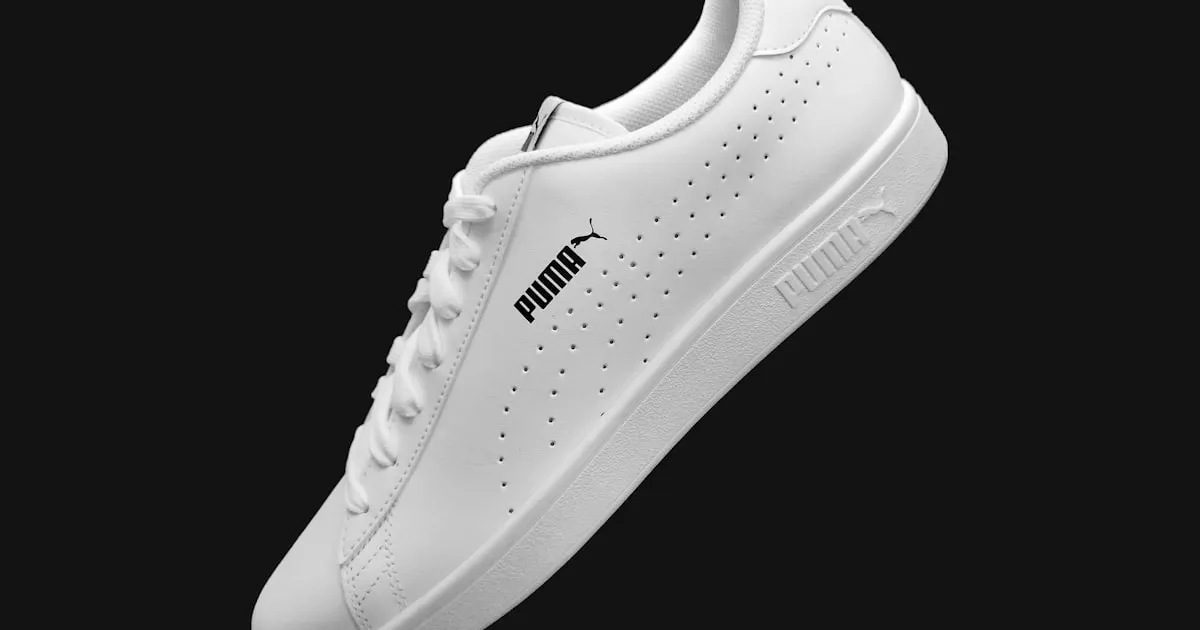
Nike Dunk Low vs Air Force 1 vs Air Jordan 1 for US buyers in 2026: Dunk for streetwear, Air Force 1 for versatility, Air Jordan 1 for tailored looks.
Updated: September 2026
Primary sources referenced
- Nike Air Force 1 official product page for current US retail pricing and colorways
- StockX Nike Dunk Low market data for resale range reference
- GOAT Air Jordan 1 catalog for OG colorway resale history
Nike has three lifestyle sneakers that dominate US closets in 2026: the Dunk Low, the Air Force 1, and the Air Jordan 1, so pick the pair by look and price, then buy through ShopBack before you pay, where ShopBack Cashback works like a discount, only easier than a promo code. All three trace back to basketball in the mid-1980s, and all three earned their second cultural life as street-style staples. But they are not interchangeable. Each anchors a different look, sits at a different price band, and behaves differently on the resale market.
This piece is for the US buyer trying to decide which one to add to the rotation, or which to buy first. It compares silhouette, history, style pairing, sizing, resale behavior, and where to buy each at retail. Prices, availability, and resale ranges reflect the US market as of July 2026 and may shift.
The verdict
Pick the Air Force 1 in all-white if you want the widest wardrobe range and the least friction at retail. Pick the Dunk Low if colorway variety and casual streetwear pairing sit at the top of your list. Pick the Air Jordan 1 if you want a sneaker that pairs with tailored looks and are willing to accept a higher entry price. The three occupy different archetypes rather than replacing each other, and many US wearers eventually own one of each.
Save on Nike sneakers with Cashback: Nike or Finish Line (verify current offers)
Nike Dunk Low: the streetwear panel silhouette
The Nike Dunk Low was released in 1985 as a college basketball shoe, then found a second life in the early 2000s through the Nike SB skateboarding program. Its 2020 revival, driven by a broad rollout of classic and new colorways, made it the defining lifestyle sneaker of the early 2020s and it remains dominant in 2026.
The Dunk Low silhouette is defined by its two-tone panel construction: contrasting overlays across the toe box, mudguard, quarter panel, and heel. This color-blocking is the reason the Dunk works as a streetwear canvas. Colorways such as Panda (black and white), Michigan, Kentucky, Syracuse, and Chicago recur on rotation, alongside a steady stream of SB collaborations from brands and artists.
The Dunk Low sits on a flat, wide outsole with modest cushioning. It feels closer to a skate shoe than a modern lifestyle runner, which is part of the appeal for wearers who want a lower, chunkier look.
US retail pricing for standard Dunk Low colorways typically runs about 115 to 130 US dollars. SB collaborations, Panda, and limited-release colorways often land in the 140 to 180 US dollar range at retail, with SB Dunks trading higher on the resale market.
Nike Air Force 1: the versatility default
The Nike Air Force 1 debuted in 1982 as the first basketball shoe with Nike Air cushioning. The low-top all-white version, in particular, became a cultural default across US neighborhoods and remains one of the most-produced sneakers in the world.
The AF1 silhouette is chunkier than the Dunk or the Jordan 1. It sits on a thicker midsole, has a rounder toe box, and features perforated toe vents and a small metal dubrae on the laces. The upper is typically tumbled leather on the classic Triple White, with premium editions in nubuck, patent, or textile.
Because Nike keeps the classic AF1 Low in near-permanent production and distributes it across every major US retailer, the AF1 rarely carries a meaningful resale premium at retail. This is the AF1 advantage: you can buy the exact shoe you want, in your size, most weeks of the year.
US retail pricing for the AF1 Low sits at about 120 to 135 US dollars for classic colorways as of mid-2026, with the '01 retro release around 150 US dollars. Seasonal premium editions and collaborations can price higher.
Nike Air Jordan 1: the elevated icon
The Air Jordan 1 was released in 1985 as Michael Jordan's signature shoe with Nike. It is the origin of the Jordan Brand line and remains the most storied silhouette in modern sneaker culture. The Jordan 1 comes in three primary heights: Low, Mid, and High.
The Jordan 1 silhouette is slimmer than the AF1 and slightly more tapered than the Dunk. The upper features leather panels in a color-blocked pattern, an ankle Wings logo, and a Swoosh that sweeps back from the toe. Retro OG releases in colorways such as Bred (black and red), Chicago (white, red, black), Royal (black and blue), and Shadow (grey and black) have decade-plus histories.
The Jordan 1 also sits on a softer midsole than the Dunk, which makes it more comfortable across a full day of walking. Wearers with narrow to medium feet find the Jordan 1 fits close to true-to-size; wide-foot wearers often find the forefoot snug.
US retail pricing for the Air Jordan 1 Low sits at about 115 to 145 US dollars depending on colorway, with standard Lows around 115 US dollars and retro OG releases such as the Sail at 145 US dollars. The Air Jordan 1 Mid is typically about 130 US dollars. The Air Jordan 1 High sits at about 180 US dollars for standard releases, with Retro OG Bred and Chicago editions sometimes priced at 200 US dollars or more at launch. Popular colorways sell out quickly on launch day, which is one reason the Jordan 1 has the most active resale market of the three.
Style pairing: how each sneaker actually wears
The three sneakers push outfits in different directions.
The Dunk Low pairs cleanly with jeans (straight, baggy, or bootcut), cargos, hoodies, and graphic tees. Its color-blocking rewards outfits that pick up one of the panel colors elsewhere. It reads casual across all seasons and works well with denim shorts in summer. The Dunk is less friendly to tailored pants because the wide outsole and pronounced panels compete with a clean trouser line.
The Air Force 1 in all-white is the utility player. It pairs with a tank top and gym shorts, a tech-pant-and-crewneck setup, straight jeans and a button-down, or a mini skirt and cropped tee. Because it is entirely one color and one texture, it disappears into the outfit rather than steering it. Colored AF1s (all-black, triple black, wheat) work similarly but read as intentional style choices.
The Air Jordan 1, especially the Mid and High in leather, is the most tailoring-friendly of the three. It pairs with cropped tailored trousers, chinos, wide-leg denim, and midi skirts. The ankle height reads as boot-adjacent, which makes it work with looks that would feel underdressed with a Dunk. The Jordan 1 Low reads slightly more casual than the Mid or High and pairs with straight jeans, wide-leg trousers, and pleated shorts.
Sizing and fit notes
For US wearers, the three shoes size close to each other but with meaningful differences.
Nike Dunk Low. Fits close to true-to-size, with a slightly loose feel through the midfoot. Narrow-foot wearers sometimes size down half a size. Uses a similar last to the Jordan 1 Low, so if you know your Jordan 1 Low size, your Dunk Low size will be the same.
Nike Air Force 1 Low. Runs slightly large. Many US wearers, particularly women, size down half a size from their standard US sneaker size. Wide-foot wearers tend to stay true-to-size because the rounder toe box accommodates width.
Air Jordan 1 (Low, Mid, High). Fits close to true-to-size for narrow to medium feet. Wide-foot wearers often find the forefoot snug, especially in the High. Sizing up half a size can help with width but may create heel slippage. The Jordan 1 shares a last with the Dunk Low.
Sizing between men's and women's US Nike sizing follows the standard 1.5-size conversion (a men's US 7 is a women's US 8.5). All three sneakers are sold in unisex GS (grade-school) sizes for smaller feet, which can be a significant discount at retail.
Resale market comparison
The resale market for these three Nike models runs primarily through StockX and GOAT in the US. Resale premiums vary widely by colorway, size, and release date.
Nike Dunk Low resale. Standard colorways such as Coast, Kentucky, and Michigan typically trade near retail on StockX. Panda (Black and White) has traded in a wide 130 to 200 US dollar range on standard men's sizes, with more accessible pricing since 2024 restocks widened supply. Nike SB Dunks in popular collaborations often trade in the 200 to 400 US dollar range on StockX, with limited SB releases going higher.
Nike Air Force 1 resale. Classic Triple White AF1 Lows trade near retail on the resale market because Nike keeps them in continuous production. Colored classics and shadow editions trade slightly above retail. Special collaborations and Louis Vuitton x AF1 pieces are the exceptions that trade at multiples of retail.
Nike Air Jordan 1 resale. This is the most active resale category of the three. Retro OG High releases in Bred, Chicago, Royal, and Shadow have historically traded well above retail on StockX, often in the 400 US dollar and up range for launch-day sizes. The Jordan 1 Low classic colorways trade closer to retail, with some Travis Scott and Union Los Angeles collaborations trading much higher. Resale prices fluctuate significantly with each new drop cycle and past performance is not a guarantee of future value.
Find preloved sneakers with Cashback: StockX (verify current offers)
Where to buy in the US at retail
All three sneakers are widely available through US retail channels, though limited colorways sell out on launch day.
Nike direct. Nike.com and the Nike app are the primary channel for all three sneakers. The Nike app runs the SNKRS release calendar for limited Dunk SB and Jordan 1 OG drops. Nike Membership is free and required for SNKRS entries.
Athletic specialty retailers. Foot Locker, Finish Line, Champs Sports, JD Sports, Dick's Sporting Goods, and Hibbett Sports carry the Dunk, AF1, and Jordan 1 in classic colorways year-round. Regional drops of retro colorways rotate between these retailers.
Department stores. Macy's, Nordstrom, and Kohl's stock seasonal AF1 and select Dunk colorways, sometimes at slight discount during clearance windows. Jordan 1 availability at department stores is more limited.
Marketplace and mass retail. Amazon carries selected AF1 and Dunk Low colorways through authorized channels. Verify the seller before buying to avoid counterfeit listings.
Resale. For sold-out limited colorways, StockX and GOAT are the primary US resale marketplaces, both with buyer authentication programs.
Compare sneaker prices across US retailers: Nike, Macy's, Kohl's
When to pick which
Pick the Nike Dunk Low if: You want colorway variety, you dress predominantly in denim, tees, hoodies, and cargos, and you enjoy rotating multiple pairs seasonally. The Dunk is the strongest streetwear pick of the three.
Pick the Air Force 1 if: You want one all-purpose lifestyle sneaker that pairs with almost anything, you want to skip the launch-day scramble, and you want to pay standard retail without a resale premium. All-white AF1 Lows are the default.
Pick the Air Jordan 1 if: You want a sneaker that pairs with tailored looks, you value the retro OG heritage, and you are willing to spend more and, for popular colorways, potentially wait or pay a resale premium. Start with the Jordan 1 Low if you want the price closer to Dunk territory.
Many US wearers eventually own an AF1 (versatility floor), a Dunk (streetwear layer), and a Jordan 1 (elevated layer). That is not a bad rotation.
Cross-brand shop, if you want to compare with Adidas: Adidas
Frequently asked questions
Do Nike Dunks run true to size? Nike Dunk Lows fit close to true-to-size for most US wearers, with a slightly loose feel in the heel and midfoot. Narrow-foot buyers sometimes go half a size down. The Dunk uses a similar last to the Air Jordan 1 Low, so if you know your Jordan 1 size, the Dunk will fit comparably. Wide-foot wearers usually find the Air Force 1 more accommodating than the Dunk.
Are Air Force 1s still worth buying in 2026? Yes. The all-white Air Force 1 Low remains one of the most versatile lifestyle sneakers in the US market. It pairs cleanly with tank tops, tech pants, denim, and shorts, and retail supply is consistent through Nike, Foot Locker, Finish Line, Macy's, and Kohl's. Because Nike keeps the classic colorways in near-permanent production, the AF1 rarely carries a meaningful resale premium at retail.
Which Nike sneaker holds its resale value best? In the US resale market as of mid-2026, the Air Jordan 1 High in classic colorways such as Bred, Chicago, and Royal has historically commanded the highest secondary prices, often trading well above original retail on StockX and GOAT. Dunk Low SB collaborations and limited colorways such as Panda also carry premiums, though standard Dunk Low colorways are often available near retail. Air Force 1 classics tend to sit closest to retail on the resale market. Resale prices fluctuate and past performance is not a guarantee of future value.
What is the difference between a Dunk Low and an Air Jordan 1 Low? The two share a similar profile but differ in construction. The Dunk Low has a flatter, wider outsole with more pronounced panel color-blocking, giving it a chunkier streetwear look. The Air Jordan 1 Low has a slimmer silhouette, a Nike Wings logo on the ankle, and a more elevated finish that reads dressier. Style-wise, Dunks lean casual, Jordans lean elevated.
How much do Nike Dunk Lows, Air Force 1s, and Air Jordan 1s cost at US retail in 2026? As of mid-2026, US retail pricing sits roughly in these ranges. Nike Dunk Low: about 115 to 130 US dollars for standard colorways, and 140 to 180 US dollars or higher for SB, Panda, and limited releases. Air Force 1 Low: about 120 to 135 US dollars for the classic all-white and popular colorways, with the '01 retro edition around 150 US dollars. Air Jordan 1 Low: about 115 to 145 US dollars, with retro OG releases at the upper end. Air Jordan 1 Mid: about 130 US dollars. Air Jordan 1 High: about 180 US dollars, with Bred, Chicago, and Retro OG releases sometimes priced at 200 US dollars or more at launch.
Which Nike sneaker is best for wide feet? Wide-foot US wearers tend to find the Air Force 1 the most accommodating of the three, thanks to its rounder toe box and chunkier midsole platform. The Dunk Low is the next most forgiving. The Air Jordan 1, especially the High, has a narrower last and often runs snug across the forefoot.
Can you dress up an Air Jordan 1? Yes. The Air Jordan 1 Mid and High are the most tailoring-friendly Nike lifestyle sneakers because of the taller ankle collar and higher-quality leather panels on OG colorways. They pair well with cropped tailored trousers, chinos, and collared shirts. For weddings, offices, and dinner reservations, the Jordan 1 clears the bar more comfortably than the Dunk or AF1.
Where can I buy Nike Dunks, Air Force 1s, and Jordan 1s in the US? US retail supply runs through Nike direct on nike.com and the Nike app, Foot Locker, Finish Line, Champs Sports, JD Sports, Dick's Sporting Goods, and Hibbett. Department stores including Macy's, Nordstrom, and Kohl's carry seasonal Nike lifestyle inventory. Amazon carries selected AF1 and Dunk colorways through authorized channels, but Amazon is not a ShopBack US merchant at the moment, so compare its price but do not expect Cashback there. For sold-out or limited colorways, the resale market is served primarily by StockX and GOAT. Buying through Nike direct via ShopBack earns Cashback on eligible orders.
Are Nike Dunks a passing trend or here to stay? The Dunk Low has been the dominant Nike lifestyle silhouette in the US since its 2020 revival and remains one of the most-worn sneakers on street style trackers through 2026. Sneaker trend reports for 2026 consistently place the Dunk Low and the Jordan 1 Low in the top tier of casual footwear. Trends shift, but the Dunk sits alongside the AF1 and Jordan 1 as a recurring Nike archetype rather than a short-cycle release.
Should my first Nike lifestyle sneaker be a Dunk, an AF1, or a Jordan 1? For a first Nike lifestyle sneaker in the US, the Air Force 1 in all-white is the safest pick because it goes with the widest wardrobe range, is easiest to buy at retail, and rarely carries a resale markup. Choose the Dunk Low if colorway variety and casual streetwear pairing matter most. Choose the Jordan 1 if you want a sneaker that pairs with tailored looks and are willing to accept a higher entry price and, for popular colorways, a resale premium.
Are Nike Members exclusive prices still eligible for ShopBack Cashback? Yes. Sign in to your Nike account on nike.com, go through shopback.com or the ShopBack app before you pay, and complete the order as usual. Member pricing applies at the retailer and ShopBack Cashback is credited to your ShopBack wallet.
How do I use ShopBack to compare the options and lock in Cashback? Use ShopBack to compare the featured merchants side by side at shopback.com so the published Cashback rates sit next to each other before you commit. Start at ShopBack before checkout on the winning store, activate ShopBack via the browser extension on desktop so the click fires, and check ShopBack again if the price drops during a sale window.
Key takeaways
- The Air Force 1 in all-white is the versatility default. Lowest resale premium, widest retail supply, easiest first pair.
- The Dunk Low is the streetwear layer. Colorway variety and panel color-blocking make it the strongest pairing for denim, hoodies, and cargos.
- The Air Jordan 1, especially the Mid and High, is the elevated layer. It pairs with tailored looks and carries the strongest resale market for OG colorways.
- Sizing: Dunks and Jordan 1s fit close to true-to-size and share a last. AF1s run slightly large, and many US wearers size down half a size.
- Retail supply for all three runs through Nike direct, Foot Locker, Finish Line, Macy's, Kohl's, and Amazon (authorized only). StockX and GOAT serve the resale market.
- Buying through Nike or a partner retailer via ShopBack earns Cashback on eligible orders. Rates and eligible categories vary by merchant and campaign; check the live rate on the ShopBack merchant page before you click through.
Shop the comparison
Ready to buy? Start here for Cashback on eligible orders:
- Nike direct: shopback.com/nike
- Finish Line: shopback.com/finish-line
- Macy's: shopback.com/macys
- Kohl's: shopback.com/kohls
- StockX (resale): shopback.com/stockx
About the author. Mirabelle Chew is a Fashion Editor at ShopBack. She writes about lifestyle sneakers, streetwear, and everyday fashion for US, SG, and AU shoppers. Read more at shopback.com/blog/authors/mirabelle-chew.
Disclaimer: Prices, retail availability, resale market ranges, Cashback rates, and eligible categories mentioned in this article reflect our best understanding as of July 2026 and may change. Nike, Air Force 1, Air Jordan, Dunk, and related model names are trademarks of Nike, Inc. StockX and GOAT are independent resale marketplaces not affiliated with Nike. Cashback offers, rates, and terms are subject to change and to the terms of each merchant campaign. Verify current pricing, availability, and Cashback rate on the merchant site before purchase.
FAQs
Does ShopBack Cashback work on Nike SNKRS app drops for Dunk, AF1, and Jordan 1 releases? No. Nike SNKRS is a mobile app checkout that runs outside ShopBack tracking, so limited SNKRS drops (Panda Dunk restocks, Bred Jordan 1 releases, Retro OG launches) do not track Cashback even if you are a ShopBack user. For ShopBack Cashback on Nike, buy through the standard nike.com storefront started from shopback.com or the ShopBack app at the Nike merchant page. Regular AF1, Dunk Low, and Jordan 1 Low colorways on nike.com track normally at the current published Nike rate.
When is the best time to buy a Nike Dunk, AF1, or Jordan 1 on sale in the US? The strongest US markdown windows for Nike lifestyle sneakers are Black Friday and Cyber Monday (November 27 through November 30, 2026), Memorial Day weekend in late May, and end-of-season clearance in January and July at Foot Locker, Finish Line, Macy's, Kohl's, and Nike direct. Standard colorway Dunks, AF1s, and Jordan 1 Lows see markdowns of 20 to 30 percent during these windows, though limited SB Dunks and Retro OG Jordans almost never discount.
Add ShopBack Extension
Install the browser extension for auto coupons and cashback reminders.
Download ShopBack App
Get the app to earn cashback and manage rewards on mobile.
 Scan QR or download below

Related articles
Adidas Samba vs Gazelle vs Stan Smith for US Daily Wear in 2026: Which Is the Best Buy?
Adidas Samba vs Gazelle vs Stan Smith for US daily wear in 2026: the Samba is the safest buy, Gazelle for vintage casual, Stan Smith for work minimalism.
The 4 Nike Sale Windows That Actually Beat Full Price in 2026
Four Nike sale windows that beat full price in 2026: Black Friday, Cyber Monday and post-Christmas cut deepest on Air Force 1 and Dunk; skip waiting on SNKRS.

New Balance 990 vs 993 vs 1906R in 2026: Heritage US Sneaker Buyer's Guide
New Balance 990 vs 993 vs 1906R for US buyers in 2026: the 990v6 is the safest daily classic, the 993 the all-day comfort pick, the 1906R the Y2K silhouette.
Nike Cortez vs Adidas SL 72 vs Handball Spezial: After the Samba 2026
Post-Samba sneakers for 2026: Nike Cortez vs Adidas SL 72 vs Handball Spezial, which one replaces the Samba, plus Vomero 5, Gel-Kayano 14 and Gazelle.
Shop, book trips, and play games to earn Cashback
No points, no credits. Just real cash. Withdraw to your Paypal account and spend however you like.