Blog
Contents
The verdict
What actually separates a daily trainer in 2026
The Pegasus 41, Ultraboost 5, and 1080v14 side by side
Which pair fits your fall
The Nike Pegasus 41 in detail
The Adidas Ultraboost 5 in detail
The New Balance Fresh Foam X 1080v14 in detail
Sizing, break-in, and mileage
Pricing, sales, and where to buy in fall 2026
When this does NOT apply
Frequently asked questions
Key takeaways
About this section
Blog
Nike Pegasus vs Adidas Ultraboost vs New Balance 1080: Which Daily Trainer for Fall 2026

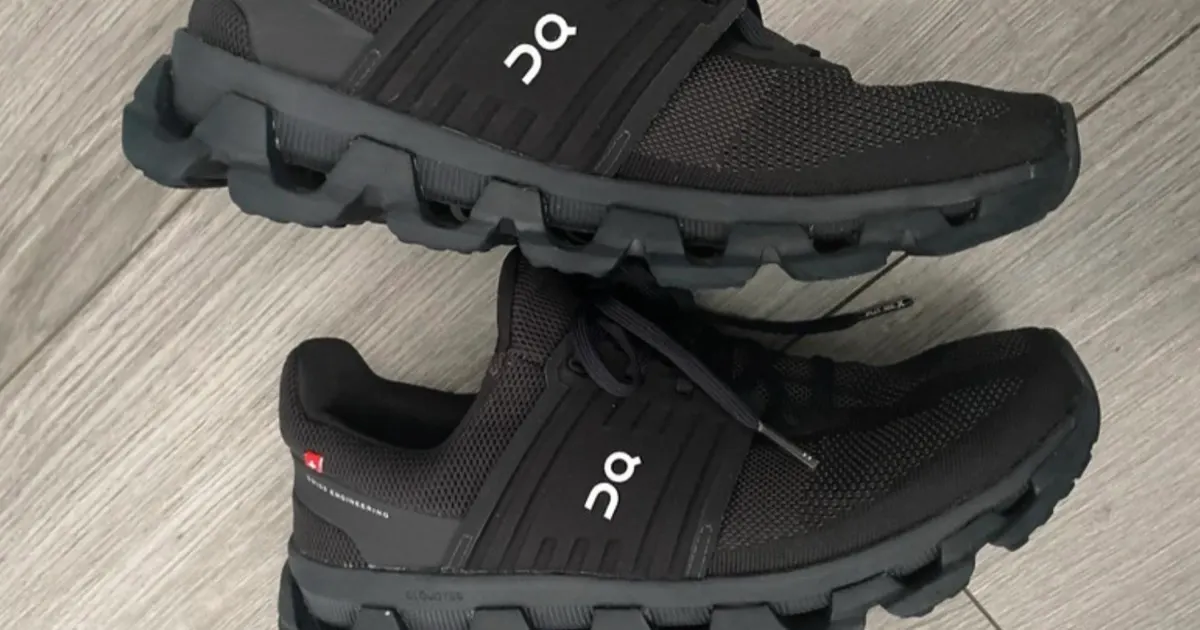
Nike Pegasus 41, Adidas Ultraboost 5 or New Balance 1080v14 for fall 2026: Pegasus for new runners, Ultraboost for walk and run, the 1080 for wide feet.
Three daily trainers sit at three price tags between $140 and $200 with three completely different rides, so pick by fit and mileage, then buy through ShopBack before you pay, where ShopBack Cashback works like a discount, only easier than a promo code. Buy on brand loyalty alone and you can end up in the shoe that suits your neighbour's feet, not yours. Here is how the Nike Pegasus 41, Adidas Ultraboost 5, and New Balance Fresh Foam X 1080v14 actually compare for fall 2026 running and walking in the United States.
The verdict
For most US daily-trainer buyers in fall 2026, the Nike Pegasus 41 is the safest first pair for a new runner at around $140, with a versatile ReactX foam ride that handles easy miles, treadmill days, and light gym work. The Adidas Ultraboost 5 at around $200 is the winner for the walk-and-run wardrobe crowd, since the Boost midsole with a Lightstrike Pro topsole reads plush enough for airport days and clean enough to wear with jeans. The New Balance Fresh Foam X 1080v14 at around $165 wins for wide-footed buyers and anyone building up long weekly mileage, because it is stocked in D, 2E, and 4E widths on most colourways and its Fresh Foam X midsole holds up to daily 8 to 12 mile blocks better than either rival. The dividing line is not brand, it is what your feet actually do during the week.
Go through ShopBack before you pay for your Nike, Adidas, or New Balance pair, even at sale prices, so part of the cost comes back. Sign up for ShopBack and earn on your next pair.
ShopBack is a US Cashback and rewards platform whose US stores include Nike, Adidas, and New Balance. Members earn Cashback in dollars on purchases they were going to make anyway, then withdraw to bank or PayPal once the wallet clears the payout threshold. Signup takes about two minutes and does not require a promo code.
What actually separates a daily trainer in 2026
A daily trainer is the shoe you wear for 80 percent of your running miles. It has to survive several hundred miles of use, feel forgiving on tired legs, and work at any pace from a walking warmup to a moderate steady effort. In 2026, the three brands are converging on foam-first midsoles with taller stack heights, and the meaningful differences sit in four places.
Midsole foam chemistry. Nike Pegasus 41 uses ReactX, an olefin-based foam that Nike states returns roughly 13 percent more energy than the previous React formulation. Adidas Ultraboost 5 uses a Boost midsole (a TPU pellet foam that has been in the Ultraboost since 2015) with a thin Lightstrike Pro topsole added for a livelier feel underfoot. New Balance 1080v14 uses Fresh Foam X, a nitrogen-infused EVA blend tuned to sit between plushness and responsiveness. In practice, ReactX runs firmer and springier, Boost runs softer and denser, and Fresh Foam X runs the plushest with the least energy return.
Stack height and drop. All three sit in the tall-stack daily trainer band. Pegasus 41 lists around 37 mm heel and 27 mm forefoot for a 10 mm drop. Ultraboost 5 sits around 32 mm heel and 22 mm forefoot for a 10 mm drop. 1080v14 sits around 38 mm heel and 32 mm forefoot for a 6 mm drop. The lower drop on the 1080v14 shifts more work to the calf and Achilles, which suits mid-foot strikers and long-distance runners; the 10 mm drop on Pegasus and Ultraboost is more forgiving for a beginner heel-striker.
Width availability. New Balance stocks the 1080v14 in D, 2E, and 4E widths on most colourways, plus B for women. Nike stocks the Pegasus 41 in D and Wide (2E) on a narrower selection of colours. Adidas stocks the Ultraboost 5 as a single-width shoe with a Primeknit upper; the knit stretches but does not truly accommodate a wide forefoot. For any US runner who has ever sized up to fit forefoot width, this alone can decide the shoe.
Durability curve. The Boost midsole on the Ultraboost holds its plushness longer than most EVA foams but compresses at the heel by 300 to 400 miles for heavier runners. ReactX on the Pegasus holds firmness well but starts to feel dead by around 400 miles. Fresh Foam X on the 1080v14 holds its plushness the best of the three under sustained heavier use, with meaningful compression showing closer to 500 miles for most runners under 200 pounds.
The combination of these four levers is what makes the same three shoes feel like different products on different feet.
The Pegasus 41, Ultraboost 5, and 1080v14 side by side
| Feature | Nike Pegasus 41 | Adidas Ultraboost 5 | NB Fresh Foam X 1080v14 |
|---|---|---|---|
| Typical US retail (fall 2026) | $140 | $200 | $165 |
| Midsole foam | ReactX (olefin) | Boost + Lightstrike Pro | Fresh Foam X (nitrogen EVA) |
| Stack height (heel / forefoot) | 37 mm / 27 mm | 32 mm / 22 mm | 38 mm / 32 mm |
| Drop | 10 mm | 10 mm | 6 mm |
| Ride feel | Bouncy, moderately firm | Soft, plush, denser | Plush, cushioned, lower return |
| Width options | D, 2E (limited colours) | Single width | B, D, 2E, 4E (most colours) |
| Upper | Engineered mesh | Primeknit | Hypoknit engineered mesh |
| Best for | New runners, treadmill, gym | Airport days, walk-and-run wardrobe | Long miles, wide feet, on-foot workers |
| Typical durability at 175 lb runner | 400 to 500 mi | 350 to 450 mi | 450 to 550 mi |
| Style crossover with jeans | Moderate | Strong | Moderate |
| Sale frequency (fall 2026) | Frequent | Moderate | Moderate |
| Sizing note | True to size | True to size, snug forefoot | True to size, roomy toe box |
The takeaway is straightforward: Pegasus is the beginner-safe generalist, Ultraboost is the lifestyle-forward soft ride, and 1080v14 is the plush miler with the best width selection. None of them is materially better than the others across the board.
Which pair fits your fall
Match ride to what your feet do during the week, not to which brand your friends buy.
| Buyer profile | Best pick | Why |
|---|---|---|
| First-time runner starting a couch to 5K in September | Nike Pegasus 41 | Familiar 10 mm drop, forgiving foam, most-recommended entry daily trainer |
| Wide-footed runner, 2E or 4E fit | NB 1080v14 | Only shoe of the three consistently stocked in 4E |
| Long-mileage runner logging 30+ miles per week | NB 1080v14 | Fresh Foam X holds cushion longer, taller stack absorbs impact best |
| Walker plus occasional runner who wants one pair | Adidas Ultraboost 5 | Plush ride, clean silhouette with jeans and joggers, cushion for airport days |
| Treadmill and gym use, no outdoor running | Nike Pegasus 41 | Firmer rocker handles side-to-side gym work better than Ultraboost |
| Runner with knee sensitivity or heavier build | NB 1080v14 | Highest stack, most impact absorption |
| Style-first buyer who wants the shoe to work with jeans | Adidas Ultraboost 5 | Best of the three at the daily-wear crossover |
| Runner training for a fall half-marathon | NB 1080v14 or Pegasus 41 | 1080v14 for easy long runs, Pegasus for tempo and race-effort days |
| Budget-conscious first buy | Nike Pegasus 41 | Lowest list price and most frequent sale cadence |
| Fall commuter walking 3 to 6 miles a day | Adidas Ultraboost 5 | Plush ride at walking cadence, holds shape as a lifestyle shoe |
The single biggest mistake US buyers make on this decision is defaulting to the brand they already own. The 1080v14 buyer who tries a Pegasus 41 usually finds it firmer than expected; the Nike loyalist who tries an Ultraboost usually finds it heavier and denser than expected. Try each on if you can, and prioritise the width and the drop over the logo.
Sign up for ShopBack to earn Cashback the next time you shop Nike.com. Free to join.
The Nike Pegasus 41 in detail
The Pegasus 41 is Nike's longest-running daily trainer and the entry point most US running-shop staff still hand a first-time buyer. In its 41st version it uses ReactX foam, a Zoom Air unit under the forefoot for a small bounce feel, and an engineered mesh upper.
The ride is bouncy and moderately firm. New runners feel it as "cushioned enough" without feeling like they are sinking, which matters at the beginner phase when a soft sinking foam can hide poor form. Runners transitioning from a plush shoe like the 1080v14 sometimes find the Pegasus underwhelming; runners transitioning from a firm shoe find it a small upgrade.
Fit runs true to size, with a slightly narrower midfoot than the 1080v14 and a similar forefoot to the Ultraboost 5. Wide-footed buyers should look for the 2E variant, which appears on core colours but not on every seasonal collab.
Where the Pegasus 41 falls short is long-distance comfort. Past 8 to 10 miles, the same firm ride that made it feel controlled at mile 3 starts to feel tiring. For a runner logging 30+ miles a week, it is a better tempo and short-run shoe than a long-run shoe.
Sale cadence is the most frequent of the three. Nike.com discounts Pegasus 41 during back-to-school (August), Black Friday and Cyber Monday, and clearance windows as newer Pegasus versions arrive.
Start your Nike order on ShopBack before you pay, including during a sale, so part of the cost comes back as Cashback. Shop Nike now.
The Adidas Ultraboost 5 in detail
The Ultraboost 5 is the fifth generation of Adidas's flagship lifestyle-adjacent trainer, and it is a shoe that lives more comfortably in an outfit than a race. The Boost midsole is denser and heavier than the ReactX or Fresh Foam X foams, and the Lightstrike Pro topsole is a thin veneer above the Boost that adds pop without changing the character.
The ride is soft and plush at walking pace, and the shoe is famously easy on the feet at the airport, on a long walking commute, or through a shopping trip. Actual runners find it heavier and less responsive than the Pegasus for anything faster than a steady easy pace.
The Primeknit upper is the best-in-class for style crossover. It looks clean with jeans, joggers, or gym shorts, which is why the Ultraboost has become the daily-wear default for a large cross section of US shoppers who own it as their only athletic shoe. It is also the reason Ultraboost 5 sits at $200 while the Pegasus 41 sits at $140.
Where it falls short is width. The Primeknit stretches, but it does not fit a truly wide forefoot; wide-footed buyers should try 1080v14 first. Durability is also weakest of the three under sustained running use, with heel Boost pellets compressing around 350 to 450 miles for heavier runners.
Sale cadence on Ultraboost 5 is moderate on Adidas.com. Pop-up sales on older colours often land at 20 to 30 percent off. Adidas Confirmed and end-of-season clearance are the deeper markdown windows.
Start your Ultraboost order on ShopBack before you pay, including at Adidas sale prices, so part of the cost comes back as Cashback. Shop Adidas.
The New Balance Fresh Foam X 1080v14 in detail
The 1080v14 is the fourteenth generation of New Balance's plush daily-trainer line, and it is the pick that shows up on more "best cushioned running shoe 2026" lists than either the Pegasus 41 or the Ultraboost 5. The Fresh Foam X midsole is nitrogen-infused EVA, taller than both rivals, and set on a lower 6 mm drop.
The ride is the plushest of the three, with a marshmallow feel underfoot that particularly suits recovery runs, long slow miles, and heavier runners. The trade-off is energy return: the 1080v14 is less bouncy than the Pegasus and less pop-forward than the Ultraboost 5. Runners chasing turnover for tempo and race work often pair it with a firmer plated shoe for faster days.
Fit runs true to size, with a genuinely roomy forefoot in D width and the widest width availability of any daily trainer in the US market. Wide-footed buyers who have historically sized up to fit forefoot should try their true size in 2E first. Nurses, teachers, hospitality workers, and airport-day-heavy travellers who also run occasionally often land here because the shoe crosses over into all-day standing better than either rival.
Where it falls short is style. The 1080v14 reads athletic rather than lifestyle, and it will not blend into a jeans-plus-tee wardrobe the way the Ultraboost does. It is a running shoe first.
Sale cadence on NB.com is moderate. Joe's New Balance Outlet routinely stocks retiring 1080v14 colourways at 25 to 40 percent off, and back-to-school and Black Friday are the most reliable direct-from-NB windows.
Compare 1080v14 colourways and earn Cashback at New Balance through ShopBack.
Sizing, break-in, and mileage
Nike Pegasus 41. True to size in D. The 2E Wide variant is available on core colours but not every colour. Break-in is fast, three to five wears. Expect 400 to 500 miles of daily-trainer life for a runner around 175 pounds; heavier or higher-cadence runners see the top of the range shrink.
Adidas Ultraboost 5. True to size, with a snug forefoot in the Primeknit. Wide-footed buyers should size up half a size, though this creates heel slippage; a genuinely wide foot is a better fit in the 1080v14. Break-in is immediate. Expect 350 to 450 running miles before the Boost compresses; the shoe still functions as a walking and lifestyle shoe past that point.
New Balance Fresh Foam X 1080v14. True to size in D, with a roomy toe box that some wearers report as slightly longer than expected. Available in B, D, 2E, and 4E on most colourways. Break-in is fast, two to four wears. Expect 450 to 550 running miles for most runners, longer for lighter or lower-cadence users.
Across all three, log your first pair's mileage. Most runners underestimate when foam is dead, and running on a dead midsole is a fast route to plantar pain and knee flare-ups.
Pricing, sales, and where to buy in fall 2026
The list prices span $60: Pegasus 41 at $140, 1080v14 at $165, Ultraboost 5 at $200. On a straight cost-per-mile basis, the Pegasus 41 is the best value if you actually get to 400 miles; the 1080v14 usually wins on longevity per dollar; the Ultraboost 5 is the highest cost per running mile but converts into daily-wear value that neither rival matches.
Sale windows to watch. August back-to-school and Labor Day have already passed for 2026, so the remaining chances this year are October rotations and Black Friday, with the earlier windows returning in 2027:
- August back-to-school at Nike.com, Adidas.com, and NB.com. Pegasus 41 and older 1080 colours typically move 20 to 30 percent off; Ultraboost 5 moves 15 to 25 percent off on non-core colours.
- Labor Day weekend at Foot Locker, Dick's Sporting Goods, and Finish Line, which stock all three brands. Bundle offers on socks and apparel sometimes make Foot Locker the best net price for a specific colour.
- October running-shoe rotations at Fleet Feet, JackRabbit, and independent US running stores. Older Pegasus 41 and 1080v14 colours often move 25 percent off as fall stock arrives.
- Black Friday and Cyber Monday across all three brand sites, generally the deepest direct-brand discounts of the year.
- Joe's New Balance Outlet (joesnewbalanceoutlet.com) year-round for retiring 1080 colours at 25 to 40 percent off, typically 4 to 8 weeks after they leave NB.com.
Going through ShopBack before you pay during a sale is the reliable path: open Nike, Adidas, or New Balance from its ShopBack page and finish the order in the same visit. Sale-priced items are typically eligible on the same terms as full-price purchases; check the live rate on the store's ShopBack page before you check out.
Shopping across all three brands in one fall? Sign up for ShopBack and earn Cashback on each pair.
When this does NOT apply
- You need a serious performance racer. The Pegasus 41, Ultraboost 5, and 1080v14 are daily trainers. For a race under 10K, look at the Nike Vaporfly or Alphafly, the Adidas Adizero Adios Pro, or the New Balance FuelCell SuperComp Elite.
- You have a diagnosed overpronation issue. All three are neutral trainers. Runners who have been told to wear stability shoes should look at the Brooks Adrenaline GTS, Asics GT-2000, or the New Balance 860.
- You need a trail shoe. These are road trainers only. Expect fast wear and poor grip on any technical trail; use the Nike Wildhorse, Adidas Terrex Agravic, or New Balance Fresh Foam Hierro instead.
- You are buying primarily to lift heavy in the gym. None of the three is a lifting shoe. Firmer flat-sole trainers or dedicated lifting shoes give better platform stability.
- You are outside the standard adult sizing range. Very small (US women's 5 or smaller) or very large (US men's 15 or larger) sizes vary in availability across the three brands, with the 1080v14 stocking the widest size range and Ultraboost the narrowest.
Frequently asked questions
Which of the three lasts longest?
The New Balance Fresh Foam X 1080v14, on average. For a runner around 175 pounds logging four days a week, expect 450 to 550 running miles before meaningful midsole compression. The Pegasus 41 typically covers 400 to 500 miles, the Ultraboost 5 typically 350 to 450 miles. Heavier runners and higher weekly mileage shrink all three ranges.
Is the Pegasus 41 or the Ultraboost 5 better for walking all day?
The Ultraboost 5, comfortably. The Boost midsole feels plush at walking pace and holds cushion under lower-impact loads longer than under running loads. It is one of the most common daily-wear picks among US shoppers who want one athletic shoe that works for airports, city walking, and light gym work.
Which of the three is best priced in fall 2026?
The Nike Pegasus 41 at around $140, with the most frequent sale cadence. It routinely drops to $110 to $125 during back-to-school and end-of-cycle sales at Nike.com, Dick's, and Foot Locker. The 1080v14 sits at $165 with fewer discounts; the Ultraboost 5 at $200 rarely discounts below $155 in current colours.
How do I know if I have wide feet and need the 1080v14?
If you have ever removed the insole to fit a shoe, gone up a half size to fit the forefoot rather than the length, or found the small toe pressing against the upper by mile 5, you are likely a candidate for at least a 2E. New Balance's 2E is genuinely wider through the midfoot and forefoot without lengthening the shoe. The 1080v14 in 2E is a starting point; the 4E is available for the widest feet.
Does ShopBack work on sale-priced Nike, Adidas, and New Balance orders?
Yes, in almost all cases. Cashback typically applies to sale-priced items on the same terms as full-price purchases at Nike, Adidas, and New Balance. Cashback rates change month to month, so the ShopBack merchant page is the current source of truth on the day you shop.
How do I use ShopBack to buy running shoes?
Sign up at shopback.com/signup, then open Nike, Adidas, or New Balance from its ShopBack page and finish the order in the same visit.
Do I need a Nike promo code to save with ShopBack?
ShopBack Cashback works like a discount, only easier than a promo code: open Nike from its ShopBack page and finish checkout in the same visit, and part of what you spend comes back as Cashback. The current Cashback is shown on the Nike page on ShopBack before you buy.
Can I buy through ShopBack at Foot Locker, Dick's, or Fleet Feet?
Foot Locker and Dick's are both ShopBack US merchants; the current Cashback is shown on each store's ShopBack page before you buy. Fleet Feet operates a franchise model in the US and is not currently a ShopBack partner.
How do I withdraw the Cashback I earn on running shoe purchases?
Once your ShopBack wallet balance clears the US withdrawal threshold and Cashback has confirmed (past its pending window), you can withdraw to a linked bank account or PayPal from the app or the web dashboard. Confirmed balances typically process within 3 to 5 business days.
Are Nike Members and Adidas adiClub exclusive prices still eligible for ShopBack Cashback?
Yes. Sign in to your Nike or adiClub account, go through ShopBack before you pay and the Cashback tracks to your ShopBack account, then complete the order as usual. Member pricing and loyalty points post to your Nike or Adidas account while ShopBack Cashback posts to your ShopBack wallet after the return window closes.
Does ShopBack Cashback work if I buy two daily trainers for a rotation?
Yes. If both pairs come from the same store, such as two Pegasus 41 colourways at Nike, one order covers both. If you split the rotation across two stores (say Pegasus 41 at Nike and 1080v14 at New Balance), open each store from its ShopBack page and finish each order in the same visit.
Key takeaways
- Nike Pegasus 41 is the safest first pair for a new runner in fall 2026 at around $140, with a versatile ReactX ride
- Adidas Ultraboost 5 at around $200 is the winner for walk-and-run wardrobe crossover, plush Boost cushion and Primeknit style
- New Balance Fresh Foam X 1080v14 at around $165 is the pick for wide-footed runners and long-mileage users, with D, 2E, and 4E widths
- All three are neutral daily trainers, not race shoes or stability shoes
- The Pegasus 41 discounts most frequently; the 1080v14 lasts longest per pair; the Ultraboost 5 wears best as a lifestyle crossover
- Width selection matters more than brand loyalty; if you need 2E or 4E, the 1080v14 is the default
- Remaining 2026 sale windows: October rotation, Black Friday and Cyber Monday; August back-to-school and Labor Day come around again in 2027
- Joe's New Balance Outlet is the reliable below-MSRP channel for retiring 1080v14 colours
- Go through ShopBack before you pay at Nike, Adidas, and New Balance, sale prices included, so part of the cost comes back
- ShopBack works on the US retail sites of Nike, Adidas, and New Balance plus Foot Locker and Dick's Sporting Goods
Ready to shop? Sign up for ShopBack to earn Cashback at Nike, Adidas, New Balance, and other US stores.
About this section
As of 2026-07-27, prices, colourway availability, midsole formulations, width selections, retailer sale calendars, and Cashback rates are subject to change. Verify current pricing on the brand website (Nike.com, Adidas.com, NewBalance.com) and current Cashback rates on the ShopBack merchant page before checkout.
This article is intended for general informational purposes and should not be considered professional running-shoe fitting or podiatric advice. Fit varies by individual foot shape; ordering from a retailer with a free return policy or trying on in-store is recommended for a first-time buy.
Add ShopBack Extension
Install the browser extension for auto coupons and cashback reminders.
Download ShopBack App
Get the app to earn cashback and manage rewards on mobile.
 Scan QR or download below

Related articles

New Balance 990 vs 993 vs 1906R in 2026: Heritage US Sneaker Buyer's Guide
New Balance 990 vs 993 vs 1906R for US buyers in 2026: the 990v6 is the safest daily classic, the 993 the all-day comfort pick, the 1906R the Y2K silhouette.

Nike Pegasus vs Vomero vs Invincible for US Runners in 2026: Cost Per Mile After Cashback
Nike Pegasus vs Vomero vs Invincible for US runners in 2026: Pegasus 41 wins on cost per mile, Vomero 18 for max cushion, Invincible 3 for recovery.

Adidas Samba vs Gazelle vs Stan Smith for US Daily Wear in 2026: Which Is the Best Buy?
Adidas Samba vs Gazelle vs Stan Smith for US daily wear in 2026: the Samba is the safest buy, Gazelle for vintage casual, Stan Smith for work minimalism.
lululemon Align vs Wunder Train vs Fast and Free US 2026
lululemon Align vs Wunder Train vs Fast and Free for US shoppers in 2026: Align for yoga, Wunder Train for HIIT and lifting, Fast and Free for running.

Shop, book trips, and play games to earn Cashback
No points, no credits. Just real cash. Withdraw to your Paypal account and spend however you like.