Blog
Cancun in Hurricane Season: Should US Travellers Book a Trip Between June and November 2026?

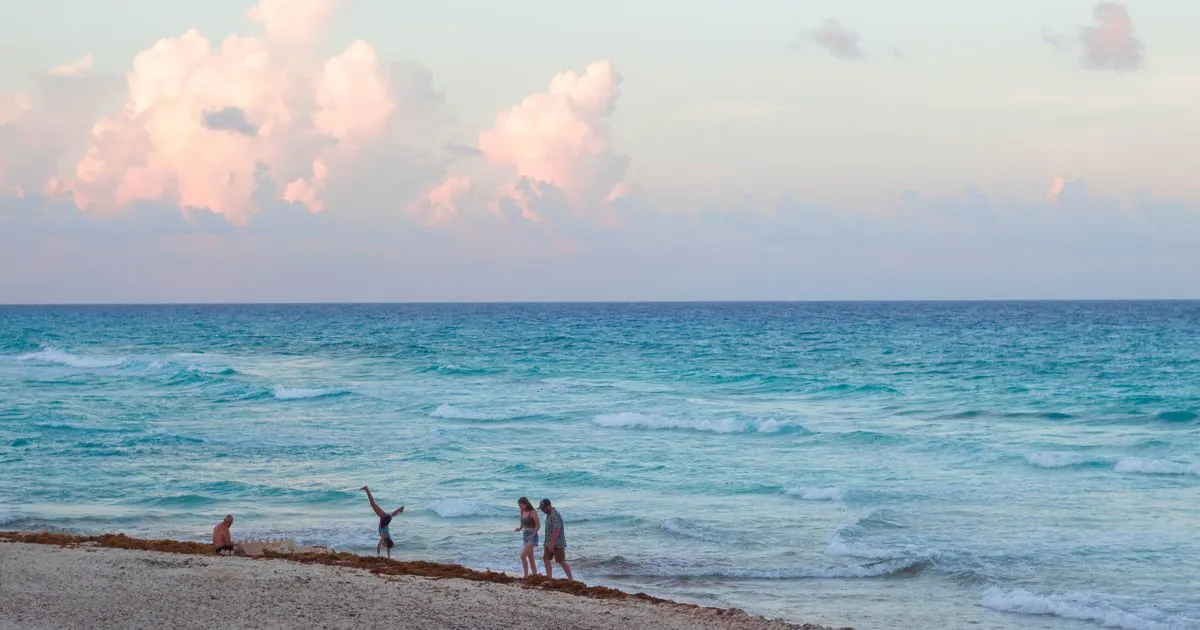
Is it safe to travel to Cancun during hurricane season? A practical guide to risk windows, booking strategy, insurance choices, and refund posture for US travellers planning a June-November 2026 Cancun trip.
How we picked. We pressure-tested Cancun's June to November hurricane window month by month on direct-hit risk, sargassum beach quality, price level, and the protective value of CFAR travel insurance and refundable hotel rates. Atlantic hurricane season data, NOAA storm pattern history for the Yucatan, and CFAR policy mechanics were verified against US government and insurer sources on 10 Jun 2026.
The verdict
For US travellers considering Cancun between June and November 2026, book the trip, layer real protection, and time the dates intelligently. The Cancun Hurricane Season Rule: direct hurricane hits on Cancun are rare (about one severe strike every 3 to 5 years), but the peak risk window (mid-August to mid-October) does warrant a CFAR-equipped insurance policy and refundable hotel rates. Prices in this window are 30 to 50% below winter peak, and most trips proceed without weather disruption. June, early July, and mid-to-late November are technically in-season but historically low-risk and a strong sweet spot for value.
💡 Book hurricane-season Cancun trips with cashback on ShopBack
Key reasoning
The Atlantic hurricane season runs June 1 to November 30. Within that 6-month window, the peak threat to the Yucatan peninsula is concentrated in roughly 8 weeks (mid-August to mid-October). Outside that peak, the risk profile drops sharply, June and early July see warm sea but low storm counts, and mid-to-late November is past peak. Even in peak season, direct Cancun hits are rare; most named storms either move north into the Gulf or south into Belize and Honduras. The bigger practical risk is partial disruption: a tropical depression that brings 2 days of heavy rain, or beach sargassum surges that coincide with storm-driven currents. Both are handled by booking flexibility rather than by avoiding the trip entirely.
Search Cancun flights and earn cashback: Skyscanner · Trip.com
Supporting facts / breakdown
| Month | Direct hit risk | Beach quality (sargassum) | Price level | Verdict |
|---|---|---|---|---|
| June | Low | Moderate (sargassum peak Apr-Aug) | $$ | Good value, low storm risk |
| Early July | Low | Moderate (sargassum tail) | $$ | Sweet spot for shoulder budget |
| Late July | Moderate | Low to moderate | $$ | Acceptable; book with CFAR |
| August | High | Moderate (sargassum tailing off) | $ | Lowest prices; highest risk |
| September | Highest | Improving | $ | Cheapest month; peak risk |
| Early October | High | Good | $ | Risk easing; good deals |
| Late October | Moderate | Excellent | $$ | Risk dropping; price climbing |
| November | Low (until mid) | Excellent | $$$ | Best balance of risk + beach |
| December | Effectively none | Excellent | $$$$ | Peak season pricing |
Mid-range insurance premiums for a US family of 4 on a 7-night Cancun trip:
- Standard travel insurance (basic medical, trip cancel for specified reasons): $90 to $160
- CFAR (Cancel For Any Reason) add-on: $130 to $260 extra
- Hurricane-specific named-storm coverage (within standard): often included once a hurricane is named and within 24h of departure
- Cruise/all-inclusive resort weather guarantees: vary; read fine print
The numbers show that the cost of comprehensive protection (standard + CFAR) is $220 to $420 for a family of four. On a $4,500 trip, that's 5 to 10% of trip cost for material peace of mind in peak season.
Book Cancun hotels with cashback: Booking.com · Agoda · Hotels.com · Marriott
How to apply this
Apply the Cancun Hurricane Season Rule by layering protections rather than avoiding dates. Book refundable hotel rates where the cancel window aligns with the hurricane-prediction window (5 to 7 days out). Buy travel insurance with named-storm coverage immediately on booking, most policies require purchase before the storm is named to qualify. Add CFAR if your trip is over $3,000 or includes non-refundable activity bookings. Choose flights through US hub airports (DFW, IAH, MIA, ATL) over smaller regionals for better rebooking flexibility if your inbound is diverted.
| Risk Tolerance | Recommended Booking Approach | Notes |
|---|---|---|
| Risk-averse, want certainty | Book December-April only | Highest cost; least flexibility needed |
| Want value, accept some risk | June + November | Sweet spot for price + low risk |
| Maximum value, willing to pivot | September-early October | Cheapest; CFAR insurance essential |
| Have flexible work schedule | Book peak season with refundable everything | Pivot dates if storm forms |
| Family with kids in school | December, March (Spring Break), June (post school) | Forced into specific windows |
| Multi-trip year, this is the second | Book peak; treat as backup | If cancelled, more chances later |
Book Cancun hotel chains and rentals with cashback: IHG · VRBO
What this actually means
In practice, a US family of four planning a Cancun trip for September 2026 should book all-inclusive nights at a resort that allows free cancellation up to 72 hours before arrival ($420/night for a family suite), purchase travel insurance with CFAR coverage ($380 total for the family), and book flights through a hub with multiple daily Cancun departures (MIA, DFW, IAH). Total trip cost: about $4,600, protected by $380 in insurance. If a hurricane forms 5 days before departure, they cancel the hotel free, claim flight credit (or insurance reimbursement), and rebook for November when prices have risen 30% but risk is near-zero. The CFAR layer means they can also cancel for non-weather reasons (work, school sickness) and recover ~75% of pre-paid costs. Best-case: the storm passes, they pay nothing extra, and they saved $1,800 vs December pricing.
💡 Compare Cancun hotels and travel insurance on ShopBack, earn cashback on Booking.com and Expedia
Compare Cancun packages and tours with cashback: Expedia · Klook
When this does NOT apply
- Honeymoon or once-in-a-decade anniversary: Don't optimise for cost; book December-April when weather is dependable.
- Non-refundable point redemptions or cruise stops: Hurricane disruption to a cruise itinerary means the cruise line picks the alternate port, not you; this rule applies to land trips you control.
- High-risk medical conditions where evacuation matters: Layer a higher-tier medical insurance regardless of season; hurricane-season trips compound the evacuation risk.
- Trip dependent on a single outdoor activity (e.g., scuba certification week): Off-peak weather variability can wipe out the activity even without a storm; lean toward November-April.
Frequently asked questions
Is it safe to travel to Cancun during hurricane season?
Generally yes, direct hurricane strikes on Cancun are rare, averaging one every 3 to 5 years. Travel insurance with a Cancel For Any Reason (CFAR) add-on is the safer way to book in the peak window (August-October) rather than avoiding the trip entirely.
When is hurricane season in Cancun?
Atlantic hurricane season officially runs June 1 to November 30. The peak risk window in Cancun is mid-August through mid-October. June, early July, and mid-November are technically in-season but historically low-risk for direct hits.
Does travel insurance cover hurricane cancellations to Cancun?
Standard travel insurance covers cancellations from named hurricanes only when the storm meets specific severity thresholds and your trip falls within the affected window. A CFAR (Cancel For Any Reason) add-on offers broader protection at roughly 40% more in premium.
How do I earn cashback on a Cancun flight booking from the US?
Compare fares on Skyscanner and Trip.com, activate ShopBack on the merchant page, then click through in the same session to complete the booking. Cashback tracks on eligible ticket value at the current published rate. For hurricane-season Cancun trips specifically, prioritise refundable fare classes; cashback layers on top of whichever fare you book.
Which booking site is best for a Cancun all-inclusive or hotel?
No single site consistently wins on price. Booking.com has the deepest Cancun and Riviera Maya inventory with flexible cancellation (useful during hurricane season), Agoda can price competitively, Hotels.com rewards repeat bookings, and Trip.com frequently runs promotional pricing. Compare all before booking, then route through ShopBack on whichever wins.
Can I earn cashback on a Marriott or IHG resort in Cancun?
Yes, both Marriott and IHG are ShopBack US partners for direct-brand bookings, including their Cancun, Playa del Carmen and Tulum properties. Activate ShopBack on the merchant page, then click through to the brand site. Cashback tracks on eligible room rates at the current published rate. Direct-brand cancellation terms are often clearer than OTA terms during hurricane windows.
Where can I book a Cancun or Playa del Carmen vacation rental with cashback?
VRBO is a ShopBack US partner for whole-home rentals across Cancun, Playa del Carmen and Tulum, useful for families or groups who want a kitchen plus multiple bedrooms. Activate ShopBack before clicking through, complete the booking in one session, and cashback tracks on eligible booking value. Verify the host's hurricane-season cancellation policy before booking.
Can I get cashback on a Cancun flight-plus-hotel package from the US?
Yes. Packages on Expedia frequently beat booking flight and hotel separately for fixed-date Cancun trips, because the all-inclusive discount lives inside the hotel portion of the bundle. Activate ShopBack on the Expedia merchant page before clicking through; cashback tracks on eligible package spend at the current published rate.
How do I book Chichen Itza tours or Xcaret entries with cashback?
Klook lists Chichen Itza day trips, Xcaret and Xel-Ha entries, Isla Mujeres ferries and Cancun airport transfers. Activate ShopBack on the merchant page, then click through to complete the booking. Cashback tracks on eligible order value at the current published rate. Book tours with 24-hour cancellation windows if travelling in peak hurricane season.
How much cashback can I earn across a US-to-Cancun trip through ShopBack?
It depends on which merchants you use and their current published rates; ShopBack does not guarantee a flat rate across travel. A mid-range Cancun trip spread across a flight on Skyscanner, an all-inclusive on Booking.com or Marriott, and tours on Klook can compound meaningful savings. Check the current published rate on each merchant page before booking.
Key takeaways
- Direct hurricane hits on Cancun are rare; don't avoid the season entirely, layer protection instead
- June, early July, and mid-November are the value sweet spot, in-season pricing, historically low risk
- Mid-August through mid-October is the peak risk window; book with CFAR insurance and refundable rates
- CFAR insurance adds about $130 to $260 to a family-of-four policy; worth it on trips over $3,000
- Choose flights through major US hubs (MIA, DFW, IAH, ATL) for better rebooking flexibility if disrupted
💡 Book hurricane-season Cancun via ShopBack and earn cashback on hotels and insurance
Plan your Cancun trip deeper
Timing the trip is one piece of the Cancun planning stack. Our full Cancun planning guide for US travellers covers flights, resorts, day trips, and cashback in one place.
Related reads
Disclaimer
The views and recommendations expressed in this article are those of the author.
Prices, rates, promotions, and availability are subject to change. Please verify details directly with the relevant providers before making any decisions.
This article is intended for general informational purposes only and should not be considered professional, financial, or travel advice.
Brands, work with us: garry@shopback.com.
Add ShopBack Extension
Install the browser extension for auto coupons and cashback reminders.
Download ShopBack App
Get the app to earn cashback and manage rewards on mobile.
 Scan QR or download below

Related articles

All-Inclusive Resort vs Vrbo in Cancun: Which Works Better for US Families in 2026?
An all-inclusive resort or a Vrbo vacation rental for a US family's Cancun trip in 2026? A line-by-line cost comparison for a family of four, with food, activities, and kid-friendly features factored in.
Cancun vs Tulum vs Playa del Carmen: Where Should You Base a 7-Day Mexico Beach Trip in 2026?
Cancun, Tulum, or Playa del Carmen as your base for a Mexico beach trip from the US? A practical comparison of hotels, beach quality, food scene, day-trip range, and which spot suits which type of traveller in 2026.

Chichen Itza Day Trip from Cancun in 2026: Coach Tour vs Private Driver vs Rental Car Compared
How should US travellers reach Chichen Itza from Cancun in 2026? A practical comparison of coach tours, private drivers, and self-drive rental cars on cost, timing, crowd avoidance, and cenote stops.

Is Expedia Cheaper Than Booking Through the Airline? A 2026 Decision Framework for US Flyers
Expedia is cheaper on roughly 30 to 40 percent of US route searches, mostly on international itineraries and flight-plus-hotel packages. Direct is cheaper on domestic routes where airlines run member-only fares, and direct is almost always the safer choice when cancellations, changes, or loyalty miles matter.
Shop, book trips, and play games to earn Cashback
No points, no credits. Just real cash. Withdraw to your Paypal account and spend however you like.