Blog
Tokyo First or Osaka First? The Best Entry City for a 14-Day Japan Trip from the US in 2026

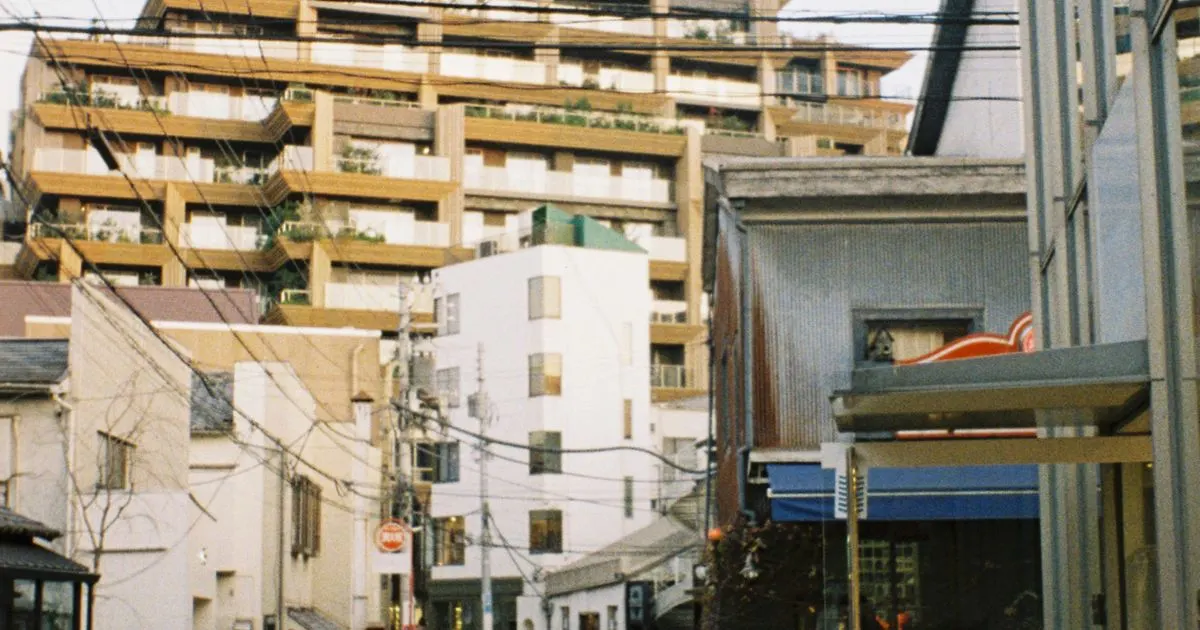
Should US travellers fly into Tokyo or Osaka first for a 14-day Japan trip? A practical comparison of flight options, jet-lag recovery, itinerary flow, and which entry city sets up a better trip for first-time visitors.
How we picked. We compared Tokyo-first and Osaka-first 14-day itineraries for US travellers on direct flight count and frequency from major US hubs to HND/NRT vs KIX, jet-lag recovery options at arrival, open-jaw fare premium ($50 to $150), trip arc momentum, and shopping logistics, then derived the US Japan Entry City Rule. Flight options and KIX vs Tokyo airport coverage were verified against carrier sites on 14 Jun 2026.
The verdict
For US travellers on a 14-day first Japan trip in 2026, fly into Tokyo and out of Osaka. The US Japan Entry City Rule: Tokyo has more US direct connections (12+ daily flights from major US hubs vs 4 to 6 to KIX), deeper hotel supply at Shinjuku and Asakusa for jet-lag recovery, and naturally anchors a westbound itinerary (Tokyo → Hakone → Kyoto → Hiroshima → Osaka). Fly into Osaka only if your itinerary is genuinely centred on Kansai or you have a direct KIX flight from your home airport that beats Tokyo by 4+ hours.
Key reasoning
The Tokyo-first sequence sets up a better trip arc for three reasons: jet lag, momentum, and shopping. Jet-lag is easier to manage in Tokyo because Haneda and Narita have multiple high-quality airport hotels with same-day check-in, and Shinjuku/Asakusa have 24-hour conveniences (konbini, pharmacy, ramen) that a struggling US traveller needs at 3 am body-clock time. Momentum builds westward, Tokyo's neon overload front-loads the trip's dopamine, Kyoto's slower pace lets you decompress, and Osaka's Dotonbori energy gives a strong closing note. Shopping flows the same direction: you don't want to lug Osaka souvenirs back to Tokyo for 6 days; you want to buy them at the trip's end and fly out.
Search Japan open-jaw flights and earn cashback: Skyscanner · Trip.com
Supporting facts / breakdown
| Factor | Tokyo-First | Osaka-First |
|---|---|---|
| Direct US flights into Tokyo (HND + NRT) | 12+ daily from LAX, SFO, JFK, ORD, SEA, DFW, IAH, BOS | More frequencies, more carriers |
| Direct US flights into Osaka (KIX) | 4 to 6 daily from LAX, SFO, SEA primarily | Limited; many connect via Tokyo |
| Open-jaw price (Tokyo in, Osaka out) | Often within $50 to $150 of round-trip Tokyo | Same |
| Jet-lag recovery hotel options on arrival | Deep (Shinjuku, Asakusa, Akihabara, airport hotels) | Limited (Namba, Umeda) |
| 24-hour conveniences near hotels | Dense | Adequate |
| Natural westbound itinerary flow | Tokyo → Hakone → Kyoto → Hiroshima → Osaka | Reverses; works but less common |
| Shopping flow (carry souvenirs forward) | Buy in Osaka last, fly home | Buy in Tokyo first, lug for 10 days |
| Onward connection from Japan (Asia trips) | HND has more Asia routes than KIX | HND advantage |
| US passport entry processing time at HND/NRT | Standard | Standard |
| US passport entry processing time at KIX | Standard, occasionally slower | Standard |
| Airport-to-city transfer time | NRT 60 min via NEX; HND 30 min via Monorail | KIX 75 min via Haruka |
| Trip ending in Osaka, what you exit through | KIX | NRT or HND |
| Cherry blossom forecast bias | Tokyo blooms first; Osaka blooms 3 to 5 days later | Osaka-first risks missing Tokyo bloom |
| Autumn foliage bias | Tokyo and Osaka peak similar; Kyoto is the foliage anchor | Either works |
The numbers show that Tokyo-first has structural advantages on flight options, jet-lag recovery, and shopping flow. Osaka-first works for specific cases (direct KIX flight that saves 5+ hours, hard Osaka-anchored trip purpose) but is the exception, not the rule.
Book Tokyo and Osaka hotels with cashback: Booking.com · Agoda · Hotels.com · Marriott
How to apply this
Apply the US Japan Entry City Rule by checking flight options for both directions on the same dates using Google Flights or Expedia. If a Tokyo open-jaw is within $200 of a round-trip Tokyo, take the open-jaw, the saved 3-hour Shinkansen on day 14 is worth that gap. If you live in LAX or SFO and a direct KIX flight saves you 4+ hours over a one-stop Tokyo route, flip to Osaka-first. Pre-book your Tokyo airport-area hotel for the arrival night specifically, even if you're staying in Shinjuku for the rest of the trip, an HND or NRT hotel on night 1 collapses jet-lag faster than a 90-minute transfer in a fog.
| Trip Profile | Recommended Entry City | Why |
|---|---|---|
| First-time US 14-day trip, mixed activities | Tokyo | Default, best fit for 90%+ of travellers |
| Direct KIX flight from LAX/SFO/SEA | Osaka | Saves 5+ hours over connecting through Tokyo |
| Trip anchored on Kansai (Kyoto, Osaka, Nara, Koyasan) | Osaka | Tokyo becomes optional |
| Cherry blossom rush trip | Tokyo | Bloom hits Tokyo first; chase westward |
| Autumn foliage rush trip | Tokyo or Osaka | Either works; Kyoto is the anchor |
| Repeat visitor focused on Kansai | Osaka | Skip Tokyo entirely |
| Family of 5+ needing maximum hotel inventory | Tokyo | More supply at family-room tier |
| Honeymoon / anniversary at a Kyoto ryokan | Tokyo (then Kyoto) | Tokyo first for jet-lag recovery; arrive Kyoto on day 5 |
Book Japan hotel chains and rentals with cashback: IHG · VRBO
What this actually means
In practice, a US couple from JFK booking a 14-day October 2026 trip should look at JFK → HND on JAL or ANA ($1,400 round-trip) versus JFK → HND outbound + KIX → JFK return ($1,400 to $1,550 open-jaw). The open-jaw premium is typically $50 to $150 per person, comfortably worth the saved 3-hour Shinkansen on day 14. They book a 4-star Shinjuku hotel for nights 1 to 4 (the West Exit area has dense konbini and ramen for jet-lag eating), then Hakone, Kyoto, Hiroshima, Osaka. On day 14 they wake in their Namba or Umeda hotel, walk to lunch on Dotonbori, then take the Nankai or JR Haruka 75 minutes to KIX. Total saved versus a round-trip Tokyo: 6 hours of train time on day 14, replaced by Osaka shopping and one final ramen.
💡 Compare Japan open-jaw flights via ShopBack and earn cashback
Compare Japan packages and tours with cashback: Expedia · Klook
When this does NOT apply
- Anchored trip purpose in Kansai: A Kyoto wedding, Koyasan retreat, or USJ-led trip flips the maths.
- You hate carry-on logistics: Two separate airport transfers (HND and KIX) add complexity vs one round-trip.
- Direct KIX flight is 4+ hours faster than one-stop Tokyo: Time saved at the start of a jet-lagged trip is high-value.
- You're using a single airline alliance for a specific upgrade or miles redemption: Award availability often forces you into the city the airline serves.
- Short trips under 7 days: One city only; entry choice driven by trip purpose, not optimisation.
Frequently asked questions
Should US travellers fly into Tokyo or Osaka first?
For most US travellers on a 14-day first trip, fly into Tokyo and out of Osaka. Tokyo has more direct US connections, deeper hotel supply for jet-lag recovery, and is the natural starting point for a Tokyo-Kyoto-Hiroshima-Osaka sequence.
Are there direct flights from the US to Osaka?
Yes, direct flights to Kansai International (KIX) from LAX, SFO, and SEA on JAL, ANA, United, and Singapore Airlines. From JFK and ORD, most routes connect via Tokyo. Direct US-KIX is roughly 25 to 40 percent fewer daily flights than US-Tokyo.
Is open-jaw cheaper than round-trip for a Japan trip?
Open-jaw (Tokyo in, Osaka out) is typically within $50 to $150 of round-trip Tokyo for US travellers. The cost is roughly even; the value is the saved 3-hour Shinkansen return on day 14.
How do I earn cashback on a Japan open-jaw flight from the US?
For an open-jaw (Tokyo in, Osaka out) or round-trip Tokyo booking, compare fares on Skyscanner and Trip.com before locking in. Activate ShopBack on the merchant page, then click through in the same session to the airline or OTA to complete the booking. Cashback rates on flight bookings vary by merchant and change over time; verify the current published rate on each merchant page before booking, since flight cashback is typically thinner than hotel cashback.
Which booking site is best for a Tokyo or Osaka hotel from the US?
No single site consistently wins. Booking.com has the deepest global inventory with flexible cancellation, Agoda tends to run strong on East Asia short-stays, Hotels.com rewards repeat bookings, and Trip.com frequently prices Japan inventory competitively. Same room on the same date can differ 5 to 15 percent across the four. Compare all before booking, then route through ShopBack on whichever wins.
Can I earn cashback on a Marriott or IHG hotel in Tokyo?
Yes, both Marriott and IHG are ShopBack US partners for direct-brand bookings, including properties in Tokyo, Osaka, Kyoto and Hakone. Activate ShopBack on the merchant page, then click through to the brand site to book. Cashback tracks on eligible room rates. Compare the direct-brand rate against Booking.com and Agoda for the same room; the winning site is usually within 10 percent, and cashback tips the decision.
Where can I book a Tokyo or Kyoto vacation rental with cashback?
VRBO is a ShopBack US partner for whole-home rentals across Tokyo, Kyoto and Osaka, useful for families or groups needing 2 or more bedrooms. Activate ShopBack before clicking through, complete the booking in one session, and cashback tracks on the eligible booking value. Rates vary by property and season; verify the current published rate on the VRBO merchant page before booking.
Can I get cashback on a Japan flight and hotel package from the US?
Yes. Flight-plus-hotel packages on Expedia frequently beat booking flight and hotel separately for fixed-date Tokyo and Osaka itineraries, because the discount lives inside the hotel portion of the bundle. Activate ShopBack on the Expedia merchant page before clicking through; cashback tracks on eligible package spend at the current published rate. Compare against separate bookings on Booking.com or Agoda before committing.
How do I book Japan tours, JR passes or airport transfers with cashback?
Klook is a ShopBack US partner for Japan tours, attraction tickets, JR passes, eSIMs and airport transfers across Tokyo, Kyoto, Osaka and Hokkaido. Activate ShopBack on the Klook merchant page, then click through to complete the booking. Cashback tracks on eligible order value at the current published rate. Same-price policy usually applies across authorised JR pass resellers, so cashback is the incremental saving.
How much cashback can I earn across a US-to-Japan trip through ShopBack?
It depends on which merchants you use and their current published rates; ShopBack does not guarantee a flat rate across travel. A mid-range US couple spending $4,000 to $6,000 across an open-jaw flight on Skyscanner or Trip.com, hotels on Booking.com or Agoda, and tours on Klook can compound meaningful savings across the trip. Check the current published rate on each merchant page before booking.
Key takeaways
- Default to Tokyo-first for a 14-day US Japan trip, more flights, easier jet-lag recovery, better itinerary flow
- Open-jaw (Tokyo in, Osaka out) is typically $50 to $150 more than round-trip Tokyo, easily worth it for the saved Shinkansen return
- Pre-book a Shinjuku hotel for the first 3 to 4 nights; the dense konbini and ramen support jet-lag recovery
- Flip to Osaka-first only when a direct KIX flight saves you 4+ hours or your trip anchors on Kansai
- Avoid round-trip Tokyo unless an Osaka exit is materially more expensive on your chosen dates
💡 Book Japan flights and hotels via ShopBack and earn cashback
Plan your Japan trip deeper
Choosing the entry city shapes the rest of the trip. Our full Japan planning guide for US travellers covers flights, hotels, rail, and cashback in one place.
Related reads
Disclaimer
The views and recommendations expressed in this article are those of the author.
Prices, rates, promotions, and availability are subject to change. Please verify details directly with the relevant providers before making any decisions.
This article is intended for general informational purposes only and should not be considered professional, financial, or travel advice.
Brands, work with us: garry@shopback.com.
Add ShopBack Extension
Install the browser extension for auto coupons and cashback reminders.
Download ShopBack App
Get the app to earn cashback and manage rewards on mobile.
 Scan QR or download below

Related articles
Ryokan vs Hotel in Japan for US First-Timers in 2026: How to Pick and Where
Ryokan or hotel for your Japan stay as a US first-timer? A practical comparison of cost in USD, dinner ritual, language barrier, and which option fits which night of a 14-day US Japan trip, with worked examples for Hakone, Kyoto, and Kinosaki Onsen.
JR Pass vs Single Tickets US 2026: Is It Still Worth It for US Travellers?
After the 70% price hike, when does the JR Pass still pay off for US travellers in Japan? A break-even guide for 7, 14, and 21-day passes against single Shinkansen tickets in USD, with worked examples for typical 10 to 14 day US itineraries.
The Best 14-Day Japan Itinerary from the US: Tokyo, Kyoto, Osaka, and Hiroshima in 2026
A practical 14-day Japan itinerary built for US travellers in 2026, Tokyo, Hakone, Kyoto, Osaka, and Hiroshima, with day-by-day plans, transport mode for each leg, hotel zones, and total budget in USD.
Best No-FX Credit Cards for Japan 2026: Sapphire vs Venture X vs Platinum
Which US credit card is best for a Japan trip in 2026? A practical comparison of Chase Sapphire Preferred, Sapphire Reserve, Capital One Venture X, and Amex Platinum on FX fees, lounge access, IC card compatibility, and total trip value.
Shop, book trips, and play games to earn Cashback
No points, no credits. Just real cash. Withdraw to your Paypal account and spend however you like.