Japan Travel Deals from the US: Cashback on Flights, Hotels & JR Pass
Earn Cashback as you book your Japan trip from the US.

Which partner for which booking
Match the booking step to the partner set up for it. Earn Cashback on each.
Plan a Japan trip from the US in 10 steps
Earn Cashback on your Japan trip from the US across flights from LAX, SFO, JFK, ORD, and SEA, hotels in Tokyo, Osaka, and Kyoto, vacation rentals through Vrbo, the JR Pass, activities, and travel insurance. Book through Booking.com, Expedia, Trip.com, Klook and our other travel partners to earn Cashback on each leg of the trip. Use this page to plan and book your trip in one place.
- Pick when to visit Japan from the US
- Decide how long to stay (10, 14, or 21 days)
- Choose where to go: Tokyo, Kyoto, Osaka, Hokkaido, Okinawa
- Book flights from your US hub
- Reserve hotels or a vacation rental
- Decide on the JR Pass
- Get travel insurance with international medical
- Book activities and day trips
- Sort money matters: Suica, IC card, no-FX credit cards
- Sort pre-departure essentials: eSIM, 90-day visa-free entry, luggage rules
When to visit Japan from the US
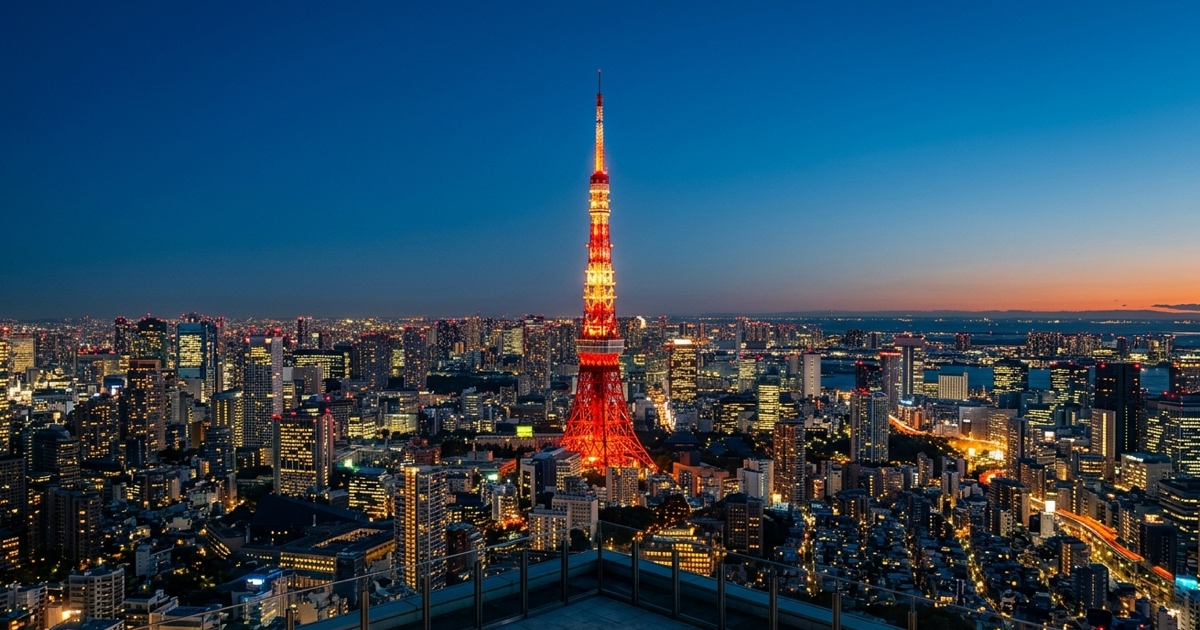
The best months for a Japan trip from the US are late March to early April for cherry blossom in Tokyo and Kyoto, October to November for autumn colour, December to February for Hokkaido ski in Niseko and Hakuba, and July to August for summer matsuri. Avoid Golden Week (late April to early May) when domestic Japanese demand spikes hotel and Shinkansen prices.
Cherry blossom is the most-booked window for US travellers, and LAX, SFO, JFK, ORD, and SEA fares peak around it. Autumn (Oct to Nov) is the easier window for value and weather, with lighter crowds outside Kyoto, Nara, and Kanazawa. Ski season opens mid-December in Niseko, Hakuba, and Furano. Shoulder months from US hubs (mid-January to early February, late August to early September) usually carry the lowest fares on United, Delta, American, ANA, JAL, and ZipAir. Cherry blossom forecast updates are published yearly by the Japan Meteorological Agency, and seasonal event listings by the Japan National Tourism Organization.
| Window | What it suits | Notes |
|---|---|---|
| Mar to Apr | Cherry blossom across Honshu | Highest demand, book early |
| Jun | Quieter shoulder, rainy season | Lower demand, fewer crowds |
| Oct to Nov | Autumn colour, balanced weather | Popular but easier to plan |
| Dec to Feb | Ski in Hokkaido and Nagano | Peak for skiers, off-peak for cities |
| Jul to Aug | Matsuri season | Hot, humid, festival-focused |
How long should you stay in Japan?
For a first trip from the US, plan 14 days. The flight is 10 to 13 hours one way from LAX, SFO, or SEA and 13 to 14 hours from JFK or ORD, so a short trip loses three days to transit and jet lag. A 10-day trip is the minimum that doesn't feel rushed; 14 days unlocks Hokkaido, Hiroshima, or Okinawa as a side leg; 21 days suits travellers combining Tokyo, Kyoto, Osaka, Hokkaido, and Kyushu.
A 10-day trip from LAX, SFO, or SEA typically splits 4 days in Tokyo, 3 in Kyoto, 2 in Osaka, 1 buffer for jet lag. A 14-day trip adds Hakone, Kanazawa, or a Hokkaido side trip via New Chitose (CTS). A 21-day trip lets US travellers cover Tokyo, Kyoto, Osaka, plus Hiroshima, Hokkaido, and Okinawa via Naha (OKA), with Vrbo vacation rental stays for the longer city stops. Frequent Japan flyers from ORD or JFK still go shorter (7 to 9 days) when stacking a Tokyo-only city break, but factor in two days of jet lag either side.
Where to find Japan hotel deals from the US
ShopBack works with several hotel booking partners for Japan: Booking.com, Expedia, Agoda, Hotels.com, and Trip.com for hotels and ryokans, plus Vrbo for vacation rentals on longer US trips. Marriott International, IHG, and Choice Hotels are also bookable direct for travellers chasing loyalty nights. Each has its own inventory, pricing, and cancellation terms, so it's worth checking the partner page for the listing you have in mind. Earn Cashback on the booking either way.
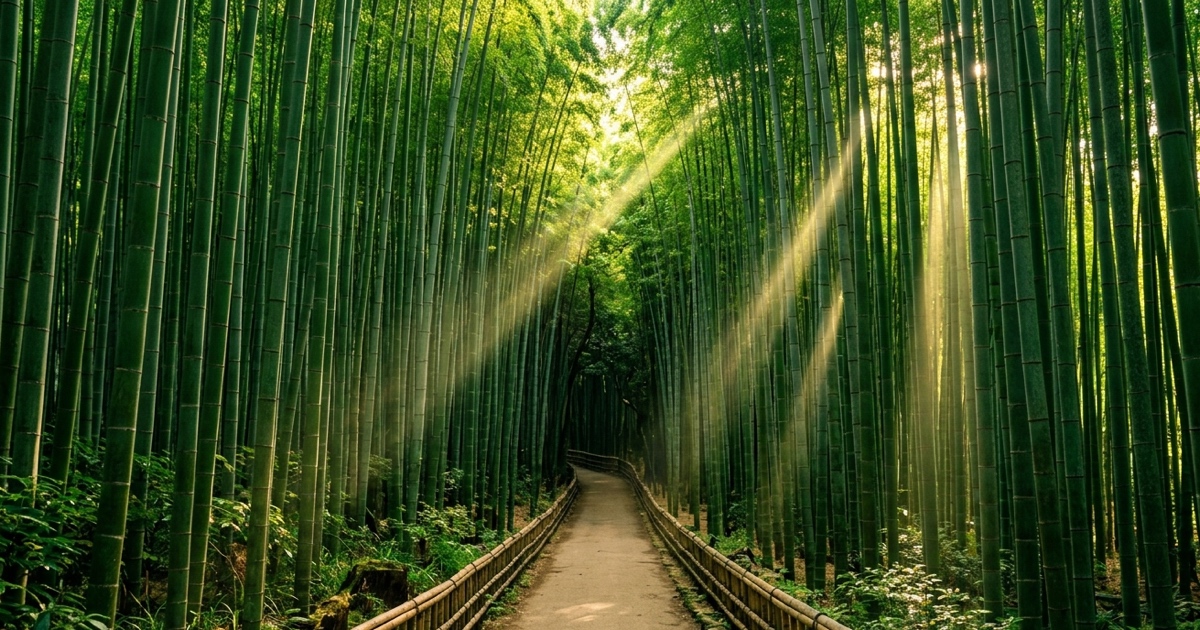
Popular US-traveller bases in Tokyo include Shinjuku, Shibuya, Asakusa, Ginza, and Roppongi. Kyoto travellers tend to stay near Kyoto Station, Gion, or Higashiyama. Osaka travellers cluster around Namba, Umeda, and Tennoji. Ryokan stays are common in Hakone, Kyoto, and Hokkaido. For 14 to 21 day trips, Vrbo vacation rentals work well as Tokyo or Kyoto bases because they sleep four to six and have kitchens. Marriott (Westin, Marriott, Courtyard, St Regis brands), IHG (ANA InterContinental, Holiday Inn, Hotel Indigo), and Choice (Comfort, Quality, Clarion) all carry inventory across Honshu.
| Partner | What you book here |
|---|---|
| Booking.com | Hotels across Japan |
| Expedia | Hotels and flight plus hotel bundles |
| Agoda | Hotels and ryokans across Japan |
| Hotels.com | Hotels across Japan |
| Trip.com | Hotels and flight plus hotel bundles |
| Vrbo | Vacation rentals for longer stays |
Is the JR Pass worth it for a 2-week Japan trip from the US?
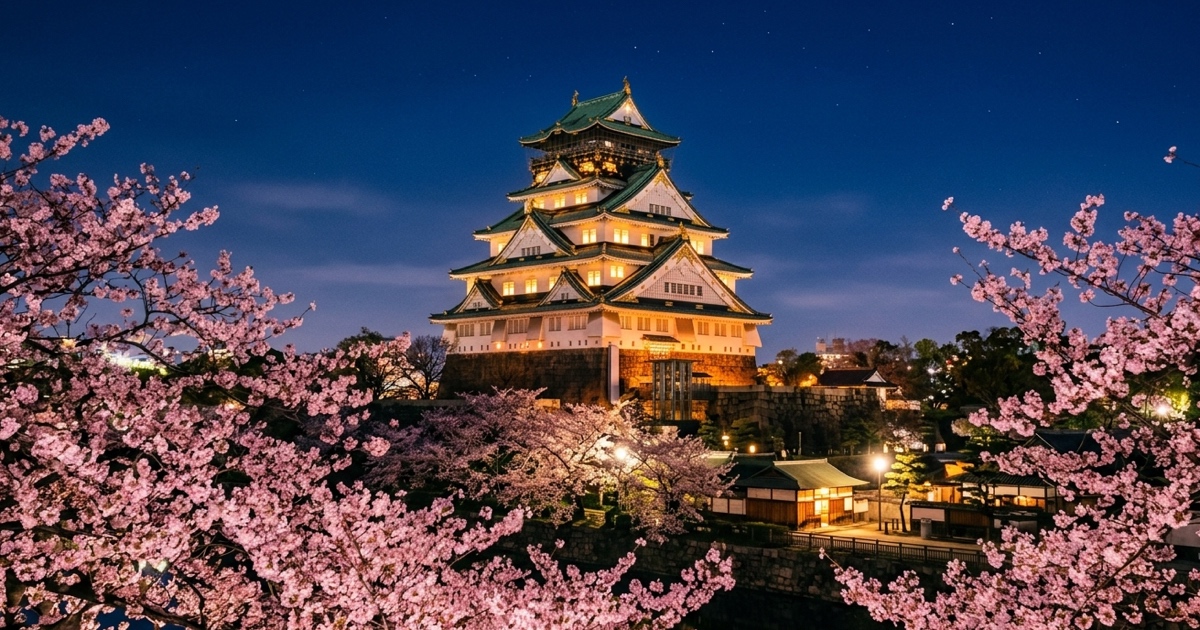
For a 14 to 21 day Tokyo, Kyoto, Osaka, plus Hiroshima or Hokkaido loop with four to six long-haul Shinkansen rides, the 14-day or 21-day JR Pass often breaks even or saves money versus single tickets. For Tokyo-only or single-region trips with fewer rides, single tickets usually cost less. Order the exchange order from the US before flying.
Klook ships the JR Pass exchange order to US addresses within one to two weeks, so order it before you book the long-haul flight to Tokyo. The pass comes in 7-day, 14-day, and 21-day tiers; for a 14-day US trip with Tokyo, Kyoto, Osaka, plus Hiroshima or Hokkaido legs, the 14-day pass usually beats single Shinkansen tickets. The pass also covers most JR lines in Tokyo, the Narita Express, and select buses. The official JR Pass site lists current JPY pricing in 7-day, 14-day, and 21-day tiers. Inside Japan, pair the JR Pass with a Suica or Pasmo IC card for non-JR transit and konbini buys.
Where to find deals on Tokyo Disney, USJ, and Mt Fuji day trips from the US
Japan activity bookings from the US split across Klook (widest dated-ticket inventory for Tokyo Disneyland, DisneySea, Universal Studios Japan, TeamLab Planets, and Mt Fuji bus day trips), Viator and GetYourGuide (alternative inventory and tour-style booking), plus Trip.com (integrates tickets with flight and hotel bundles).
Match the activity to the right partner. For Tokyo Disneyland and DisneySea 1-Day Passports, multi-day passes, Express add-ons, and combo tickets, Klook tends to carry the deepest dated-ticket inventory. For Universal Studios Japan in Osaka, Klook also leads on dated passes. TeamLab Planets, TeamLab Borderless, and the digital art museums sell dated entry tickets on Klook, Trip.com, and Viator. Mt Fuji bus day trips from Tokyo (Lake Kawaguchi, Oshino Hakkai, Fujiyoshida Sengen Shrine) run on Klook, Viator, and GetYourGuide. Skiers heading to Niseko, Hakuba, or Furano book lift passes through Klook or direct from the resort.
What travel insurance to get for a Japan trip from the US
Travel insurance for a Japan trip from the US should cover international medical, emergency evacuation, and trip cancellation. Cherry blossom and Hokkaido ski peak windows usually pay for booking insurance at the same time as the flight to lock cancellation cover. Adventure-sports add-ons matter for Niseko, Hakuba, and Furano ski trips.
US health insurance often doesn't extend to Japan, so a standalone travel-medical policy carries the medical bill if you need treatment in Tokyo, Kyoto, Osaka, or rural areas. Coverage to look for: international medical, emergency evacuation (matters for Hokkaido remote ski and Okinawa diving), trip cancellation and interruption, and adventure-sports add-ons for skiing. Credit-card-bundled trip insurance from cards like Chase Sapphire Preferred, Chase Sapphire Reserve, Capital One Venture X, and American Express Platinum can cover some of these for free when the flight is charged to the card; check card policy limits before relying on it. The US State Department Japan travel information page covers consular contacts and current advisory status.
How to handle money in Japan: Suica, IC card, and US credit cards
Japan still skews cash and IC card for transit and small purchases, even as Suica goes increasingly digital. From the US, most travellers pair a no-foreign-transaction-fee credit card (Chase Sapphire Preferred or Reserve, Capital One Venture X, American Express Platinum) with a Schwab debit card for ATM withdrawals and Wise for travel-card-style spending. Suica or Pasmo handles transit, konbini buys, and vending machines across Tokyo, Kyoto, Osaka, Hokkaido, and Okinawa.
Set up Suica or Pasmo on Apple Wallet (iPhone) or pick up a physical card at Narita (NRT), Haneda (HND), Kansai International (KIX), New Chitose (CTS), or Naha (OKA). Top up with JPY at any JR ticket machine, konbini, or Pasmo or Suica reload station. For card spending without an FX markup, Chase Sapphire Preferred, Sapphire Reserve, Capital One Venture X, and American Express Platinum all waive foreign transaction fees and clear at the Visa, Mastercard, or Amex network rate. Schwab's debit card refunds ATM fees globally, which matters because Japan's 7-Eleven and Japan Post ATMs are the most reliable for US-issued cards. Wise (US version) is the closest analogue to a multi-currency travel card. Carry some JPY cash for rural areas, small ramen shops, and shrines that don't take cards.
Why ShopBack for Japan trips
- Used by 60M+ shoppers globally.
- Earn Cashback across flights, hotels, activities, and insurance partners.
- Get Cashback paid in cash, not points or credits.
Stacks with cards from Chase, Capital One, American Express.
Also explore: Cancun trip cost from the US, Tokyo neighbourhoods guide, Miles to Tokyo on Chase or Amex.
Plan your Japan trip deeper
Transport & US entry
Money, miles & shopping
FAQs
A 14-day Tokyo, Kyoto, Osaka, plus Hokkaido or Hiroshima trip from the US splits into budget, mid-range, and luxury bands. Budget covers ZipAir or codeshare economy flights from LAX, SFO, JFK, ORD, or SEA, business hotels, the JR Pass, and konbini meals. Mid-range adds premium economy, 3 to 4 star hotels, ryokan stays in Hakone, and dated activities. Luxury stacks ANA or JAL business class, Park Hyatt, Mandarin Oriental, Aman Kyoto, and Green Car rail.
Both work, and US travellers often mix them across a 14 to 21 day trip. Vrbo vacation rentals make sense in Tokyo or Kyoto when you're staying five or more nights in one base and want a kitchen plus more space. Hotels through Booking.com, Expedia, Agoda, Hotels.com, and Trip.com are easier for shorter stops in Osaka, Hakone, Hokkaido, or Hiroshima.
For a 14-day Tokyo, Kyoto, Osaka, plus Hiroshima or Hokkaido loop with four to six long-haul Shinkansen rides, the 14-day JR Pass often breaks even or saves money versus single tickets. For Tokyo-only or single-region trips, single tickets usually cost less. Klook ships the exchange order to US addresses in about one to two weeks.
For Tokyo, Kyoto, Osaka, Hiroshima, and the Shinkansen corridor, the JR Pass plus Suica or Pasmo covers most travel. Rental cars from Hertz, Enterprise, National Car Rental, or Economybookings make sense in Hokkaido (Sapporo, Niseko, Furano) and Kyushu (around Aso and Beppu), where rail coverage thins. You'll need an International Driving Permit issued in the US before you fly.
Shoulder months around mid-January to early February and late August to early September tend to carry the lowest LAX, SFO, SEA, ORD, and JFK to Narita and Haneda fares. Peak windows are cherry blossom (late March to early April), Golden Week (late April to early May), summer school holidays, and Christmas to New Year. LAX, SFO, and SEA see the lowest base fares because the flight is shorter.
Klook carries the deepest dated-ticket inventory for Tokyo Disneyland, DisneySea, and Universal Studios Japan, plus Express and combo add-ons. Viator, GetYourGuide, and Trip.com stock alternative inventory. Tokyo Disney and USJ use dated 1-Day Passport pricing that climbs on Japan school holidays and weekends.
Look for a US-issued policy with international medical, emergency evacuation (matters for Hokkaido remote ski and Okinawa diving), trip cancellation, and adventure-sports add-ons for Niseko, Hakuba, and Furano. US health insurance often doesn't extend to Japan. Card-bundled trip insurance from Chase Sapphire Preferred, Sapphire Reserve, Capital One Venture X, or American Express Platinum can cover some of these.
US passport holders may enter Japan visa-free for 90 days for tourism. Most US passports also need 6 months of validity past the return date. Confirm current rules with the US State Department Japan page and the Japan Ministry of Foreign Affairs before booking.
ShopBack adds a Cashback layer on top of your booking on each partner site, so you earn back a percentage of what you spend without changing how you book. You also see flights, hotels, vacation rentals, JR Pass, activities, rental cars, and insurance on one page.